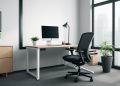


Designing interiors is far more than arranging furniture or choosing a colour palette. It is about creating environments that enhance daily life, reflect personality, and offer both comfort and functionality. The art of interior design blends creativity, practicality, and a deep understanding of how people interact with their spaces. Whether it is a family home, a city apartment, or a countryside retreat, interiors should inspire, support wellbeing, and stand the test of time.
The Importance of Well-Designed Interiors
The interior of a space influences mood, productivity, and comfort. A well-thought-out design maximises natural light, improves air flow, reduces clutter, and ensures that every item has a purpose. Interiors can also impact mental health by providing calm and restorative environments. For many, interiors represent personal expression and lifestyle, whether through a minimalist, modern look or a cosy, traditional atmosphere.
Core Principles of Interior Design
Great interiors are guided by principles that ensure harmony, balance, and usability.
Balance
Balance is about distributing visual weight in a room. This can be symmetrical, with matching elements on each side, or asymmetrical, where different pieces complement each other through proportion and scale.
Proportion and Scale
The size of furniture and décor should align with the room’s dimensions. Oversized sofas in a compact living room will make the space feel cramped, while tiny accessories in a large hall will seem lost.
Rhythm
Repeating colours, shapes, or textures helps guide the eye smoothly through a room. For example, a repeated accent colour in cushions, rugs, and wall art creates flow and unity.
Contrast
Contrasts in colour, material, or form add excitement and depth. Pairing smooth with rough textures or light shades with dark tones makes spaces more engaging.
Functionality
Every space should work for the people who live there. Interiors should never sacrifice usability for looks, whether it’s having enough storage, comfortable seating, or practical layouts.
Choosing the Right Colour Palette
Colour sets the tone of interiors and has psychological effects. Neutral tones create calm and sophistication, while bold colours bring energy and personality. Earthy shades suit traditional spaces, whereas monochrome schemes work well in modern apartments. Layering tones of the same colour adds depth without overwhelming the senses.
Furniture and Layout Planning
The choice and arrangement of furniture define how a space is used.
-
Living Rooms: Prioritise seating that encourages conversation. Sofas and chairs should face each other rather than just the television.
-
Bedrooms: Place the bed as the focal point, often against a solid wall, and use bedside tables for balance and convenience.
-
Dining Areas: Ensure there is enough circulation space around the table, and choose a size that matches the room.
-
Workspaces: Position desks near windows for natural light and use ergonomic seating to support posture.
Lighting Design for Interiors
Lighting is central to interiors, shaping both function and atmosphere.
-
Ambient lighting: General light that fills the room, often from ceiling fixtures.
-
Task lighting: Focused lighting for activities such as reading or cooking.
-
Accent lighting: Highlights specific features like artwork or textured walls.
-
Natural light: Maximising windows and skylights reduces reliance on artificial light and enhances wellbeing.
Materials and Textures
Textures create layers of interest in interiors. Wood brings warmth, glass reflects light, and metal adds a sleek modern touch. Soft furnishings like rugs and curtains soften hard edges, while exposed brick or stone adds character. Mixing textures prevents monotony and makes rooms feel dynamic.
Sustainable Interiors
Sustainability is now a major focus in interior design. Eco-conscious choices include recycled materials, energy-efficient lighting, natural fabrics, and low-VOC paints. Interiors that prioritise sustainability not only reduce environmental impact but also create healthier living spaces.
Personalisation and Style Expression
Interiors should always tell a story about the people who live in them. Family photographs, travel souvenirs, artwork, or heirlooms add individuality. Even in minimal spaces, personal touches make the environment feel authentic and lived-in.
Smart Interiors and Technology
Technology is reshaping interiors. Smart lighting, automated blinds, climate control systems, and integrated audio enhance convenience and efficiency. Hidden technology, like wireless charging built into surfaces, keeps interiors sleek while meeting modern needs.
Common Mistakes in Interior Design
-
Overcrowding with too much furniture
-
Ignoring scale and proportion
-
Poor lighting choices
-
Forgetting storage solutions
-
Neglecting comfort for the sake of style
Avoiding these pitfalls ensures interiors remain both attractive and liveable.
FAQs on Interiors
What is the most cost-effective way to refresh interiors?
Painting walls in new colours, updating soft furnishings like cushions and curtains, and rearranging furniture can transform a room without large expenses.
How can interiors be made to look larger?
Using mirrors to reflect light, choosing lighter colour palettes, and keeping furniture scaled to the room size help small interiors feel more spacious.
What role does flooring play in interiors?
Flooring sets the foundation of a room’s design. Timber adds warmth, tiles provide durability, and carpets bring comfort. The right choice balances function with aesthetics.
How can interiors support wellbeing?
Natural light, indoor plants, calming colours, and clutter-free spaces enhance mental wellbeing. Ergonomic furniture also supports physical health.
What are the current trends in interiors?
Trends include earthy tones, sustainable materials, biophilic design (bringing nature indoors), and multifunctional furniture for compact living.
How often should interiors be updated?
While there is no strict rule, refreshing interiors every five to seven years helps keep spaces modern, functional, and aligned with lifestyle changes.