

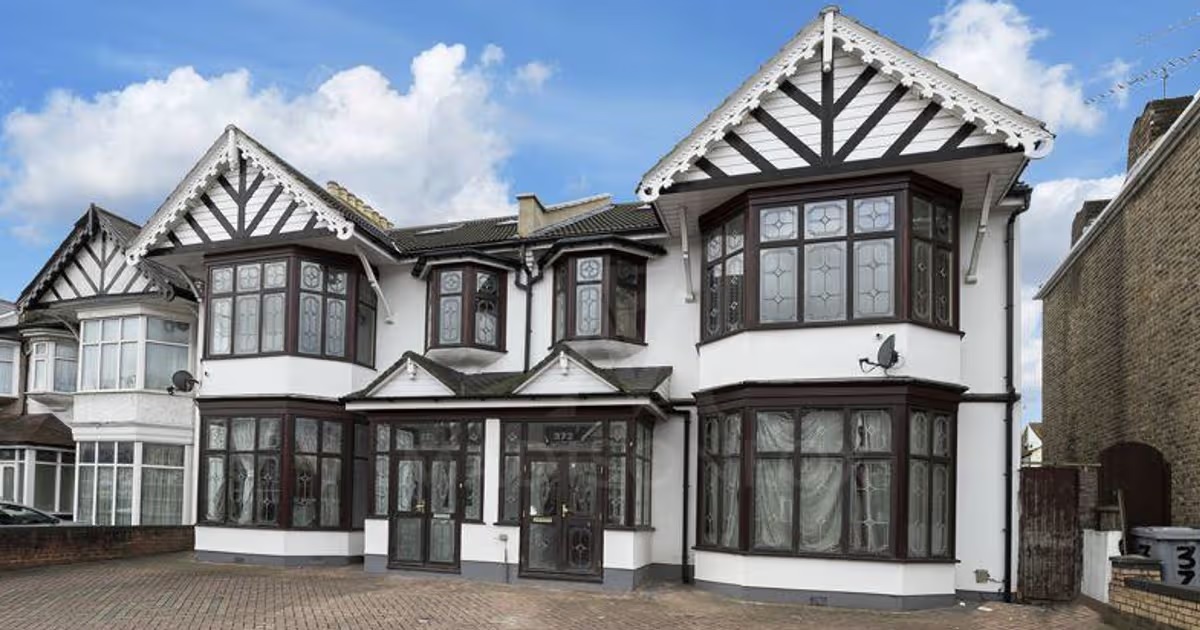
Selling a property is not just about putting it on the market and waiting for offers. Understanding what buyers are looking for, how much they are prepared to pay and what influences their decisions can make a real difference to your sale. For homeowners in Ilford, knowing what is happening in the local property market can help you set a realistic asking price, prepare your home for viewings and attract serious buyers.
What Does the Latest Property Market Data Tell Us?
The Ilford property market continues to attract buyers looking for homes in East London, although affordability remains an important consideration. According to Rightmove’s sold-price data, properties in Ilford achieved an average sold price of £492,899 over the last year, with prices around 2% higher than the previous year. Terraced properties averaged £525,009, while flats averaged £258,258. These figures highlight the differences between property types and why sellers should look beyond a single headline price when assessing their home’s value.
For homeowners planning to sell, estate agents in Ilford can help interpret local sales evidence, assess competing properties and understand which buyers are most likely to be interested in a particular home. While national housing market reports provide useful background, the most relevant information often comes from recent sales and current competition in the immediate neighbourhood.
- Setting an Asking Price That Reflects Buyer Expectations
Price is one of the first things buyers consider when searching for a property. An asking price that is too high can discourage viewings, even if the home has attractive features or has been carefully maintained. Buyers often compare several properties within the same budget before deciding which ones are worth visiting.
Recent data also shows why sellers should be cautious about relying on broad market averages. The Office for National Statistics reported that the average house price in Redbridge was £484,000 in August 2026, down 2.8% compared with August 2025. However, Ilford’s own sold-price figures tell a different story, partly because the locations and datasets cover different areas and property transactions. Source: ONS.
Before deciding on an asking price, look at recently sold homes with a similar number of bedrooms, property type, condition and location. A well-priced home is more likely to attract attention from buyers who can afford it, rather than simply generating interest from people whose budgets fall short.
- Understanding What Different Buyers Want
Buyer demand is not the same across every property type. First-time buyers may prioritise affordability, manageable running costs and access to transport. Families may look for additional bedrooms, outdoor space, nearby schools and room to work from home. Buyers moving from other parts of London might place greater importance on commuting options and the overall space available for their budget.
Ilford’s transport connections are an important consideration for people travelling into Stratford, Liverpool Street and other parts of London. However, transport alone will not secure a sale. Buyers will also weigh up the property’s condition, layout, local amenities and whether the asking price represents good value.
Think about the likely audience for your home before arranging viewings. A two-bedroom flat and a four-bedroom family house will appeal to different groups, so the way you present each property should reflect what those buyers value most.
- Property Condition Can Influence Buyer Decisions
Buyers often form an impression before they have finished walking through the front door. A clean entrance, tidy rooms and a well-maintained exterior can help a property feel inviting and looked after.
You do not necessarily need to carry out expensive renovations before selling. Small improvements, such as repairing loose handles, touching up scuffed paintwork, clearing clutter and improving lighting, can make rooms feel more spacious and presentable.
If your property has a garden, balcony or driveway, make sure these areas are easy to view and understand. Buyers want to picture how they could use the space. Addressing obvious maintenance issues before photography and viewings can also reduce the risk of avoidable concerns later.
- Competition From Similar Properties
Your home is not being assessed in isolation. Buyers may compare it with several similar properties advertised in Ilford and nearby areas before arranging a viewing or making an offer.
Zoopla’s 2026 postcode-area analysis reported an average price of £441,600 for Ilford, with annual price growth of 0.5%. Its figures also indicated an average of 49 days to sell and that 11% of properties had experienced an asking-price reduction of at least 5%. These figures cover a broader postcode area and use a different methodology from Rightmove’s local sold-price data, so they should be treated as market context rather than a prediction for an individual property. Source: Zoopla.
Check how your home compares with competing listings. Consider the asking price, photographs, condition, available space and features. If several similar homes are available, a clear price and strong presentation can help yours stand out.
- Making the Most of Viewings and Buyer Feedback
Online photographs and property descriptions may generate initial interest, but viewings give buyers the opportunity to decide whether a home suits their needs. Make sure rooms are accessible, the property is well lit and any important features are easy to see.
Pay attention to feedback after viewings. If buyers repeatedly mention the same concern, whether it is the price, layout or condition, it may be worth reviewing your approach. One comment should not necessarily determine your next move, but a consistent pattern can reveal what is holding back interest.
It is also important to distinguish between enquiries and serious buyers. Someone arranging a viewing may still need to secure a mortgage, sell their existing home or confirm their budget. Understanding a buyer’s position can help you assess offers more confidently.
- Choosing the Right Time to Sell
There is no single perfect month to sell a property. Spring and early autumn can bring renewed activity, but buyer demand depends on affordability, available stock, mortgage costs and individual circumstances.
Rather than waiting indefinitely for a supposedly ideal market, focus on whether your home is ready, the asking price is realistic and there is an audience for the property. Monitor new listings and recent sales in your area to understand how competition is changing.
Preparing for a Successful Sale in Ilford
Buyer demand depends on several factors working together: the right price, an appealing presentation, suitable property features and an understanding of local competition. Recent market figures provide useful context, but they cannot tell you exactly how much your home will sell for or how quickly a buyer will come forward.
If you are considering selling, start by reviewing comparable properties and recent sold prices in your neighbourhood. A local valuation can help you understand your property’s position in the current market and identify practical steps to attract suitable buyers.