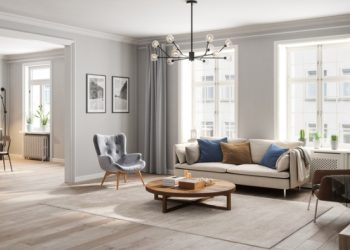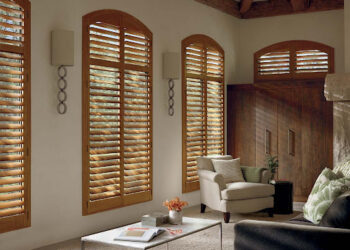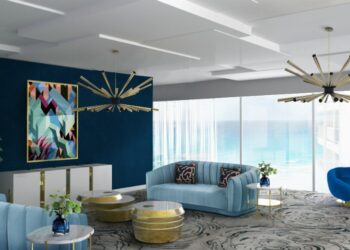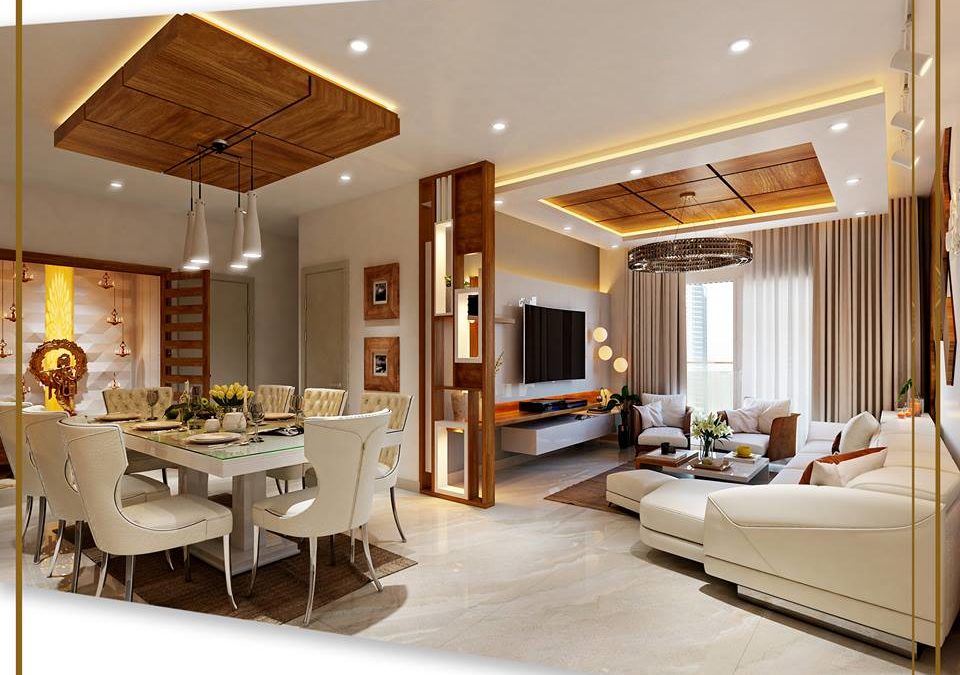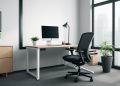


A well-balanced interior doesn’t happen by accident. It’s the result of thoughtful furniture choices that consider scale, proportion, visual weight, and flow. When furniture is balanced correctly, a room feels comfortable, intentional, and visually calm—even when it includes bold pieces or mixed styles.
This guide breaks down how to choose furniture that creates balance without making your space feel rigid or overdesigned.
Understanding Balance in Interior Design
Balance in interior design refers to how visual weight is distributed within a space. Furniture plays the largest role because it occupies the most physical and visual space.
There are three main types of balance used in interiors:
-
Symmetrical balance – mirror-like arrangements that feel formal and orderly
-
Asymmetrical balance – different objects with equal visual weight for a relaxed, modern look
-
Radial balance – furniture arranged around a central focal point
Choosing the right furniture supports whichever balance style best suits your room and lifestyle.
Choosing the Right Furniture Scale and Proportion
Furniture that’s too large overwhelms a room, while pieces that are too small make it feel unfinished.
How to get scale right
-
Measure the room before buying anything
-
Leave enough space for walkways and movement
-
Match furniture height to ceiling height
A low-profile sofa works better in rooms with low ceilings, while taller cabinets or bookcases help fill vertical space in rooms with higher ceilings.
Proportion matters just as much. A chunky coffee table paired with delicate chairs can feel visually off. Aim for furniture pieces that feel like they belong together in size and presence.
Balancing Visual Weight with Furniture Placement
Visual weight isn’t about actual weight—it’s about how heavy something looks.
Dark colors, bulky shapes, and solid materials feel heavier. Light colors, open legs, and glass surfaces feel lighter.
Tips for even visual distribution
-
Balance a large sofa with two smaller chairs
-
Offset heavy furniture with lighter décor nearby
-
Avoid clustering all bulky items on one side of the room
When furniture is evenly distributed, the room feels stable and welcoming.
Symmetrical vs Asymmetrical Furniture Arrangements
Symmetrical balance
This approach works well in formal spaces like living rooms or bedrooms.
Examples include:
-
Two identical sofas facing each other
-
Matching nightstands on both sides of a bed
It creates a sense of order and predictability.
Asymmetrical balance
More casual and dynamic, this style relies on contrast.
Examples include:
-
A sofa balanced by two different chairs
-
A large sectional paired with a slim accent table
Asymmetry feels modern and allows more flexibility, especially in open-plan spaces.
Mixing Furniture Styles Without Losing Balance
Blending styles adds personality, but without balance it can feel chaotic.
To keep things cohesive:
-
Repeat materials like wood, metal, or upholstery textures
-
Stick to a consistent color palette
-
Balance ornate pieces with simpler ones
For example, a vintage armchair can work beautifully with a modern sofa if both share similar tones or proportions.
Using Negative Space to Enhance Balance
Empty space is just as important as furniture.
Overfilling a room disrupts balance and makes it feel cramped. Leaving intentional gaps allows the eye to rest and highlights key pieces.
Negative space helps:
-
Define furniture groupings
-
Improve room flow
-
Make small rooms feel larger
Resist the urge to fill every corner—balance thrives on breathing room.
Common Furniture Balance Mistakes to Avoid
-
Buying furniture without measuring the space
-
Pushing all furniture against walls
-
Using only one furniture height throughout the room
-
Ignoring how furniture looks from different angles
Being mindful of these pitfalls makes a noticeable difference in the final result.
FAQs
How do I balance furniture in a small room?
Choose fewer pieces, use lighter colors, and prioritize multi-functional furniture to avoid visual clutter.
Can oversized furniture work in a balanced design?
Yes, if paired with adequate negative space and lighter surrounding elements to offset its visual weight.
Is symmetry always better for balance?
No. Asymmetrical balance often feels more natural and works especially well in modern or casual interiors.
How many furniture pieces should a room have?
Only as many as needed for function and comfort. Balance is about harmony, not quantity.
Does color affect furniture balance?
Absolutely. Dark colors feel heavier, while light tones help visually open up a space.
How do I balance furniture in an open-plan layout?
Use rugs and furniture groupings to define zones while keeping visual weight evenly distributed.
Should furniture styles always match?
Not necessarily. Mixing styles works when scale, color, and materials are thoughtfully balanced.