

Plumbing is one of the most essential systems in any property. From delivering clean water to disposing of wastewater, a well-maintained plumbing system ensures comfort, hygiene, and efficiency. For homeowners and property managers, understanding the fundamentals of plumbing can help in preventing costly repairs and ensuring the longevity of installations. This guide covers the key areas of plumbing, common issues, maintenance practices, and tips for modernising your system.
The Importance of Plumbing in Daily Life
Plumbing is more than just pipes and taps. It is the backbone of any building, providing access to safe water for drinking, cooking, and bathing while ensuring effective drainage of waste. Without reliable plumbing, everyday life would be inconvenient and unhygienic.
A properly installed and maintained plumbing system can:
-
Improve water efficiency
-
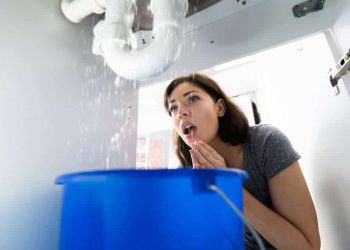
Reduce the risk of leaks and water damage
-
Maintain good indoor air quality by preventing mould growth
-
Increase property value
By investing in quality plumbing solutions, homeowners save money in the long term and ensure peace of mind.
Key Components of a Plumbing System
A modern plumbing system is made up of several parts, each with its own role. Understanding these components makes it easier to identify issues.
Water Supply System
This system brings fresh water into the property through mains or a private well. It includes:
-
Pipes made from copper, PVC, or PEX
-
Stop valves for controlling flow
-
Water meters to track usage
-
Taps and fixtures that deliver water
Drainage System
The drainage system removes wastewater and ensures it does not mix with clean water. It includes:
-
Drainpipes and traps
-
Soil stacks
-
Vents to regulate air pressure
-
Sewer connections
Fixtures and Appliances
Everyday items connected to plumbing include sinks, showers, toilets, dishwashers, and washing machines. These must be properly fitted to avoid leaks.
Hot Water Systems
Heating water is a vital function in households. Boilers, water heaters, and storage tanks play a role in maintaining consistent supply.
Common Plumbing Issues and Their Causes
Even the best systems encounter issues over time. Knowing the common problems helps in spotting them early.
-
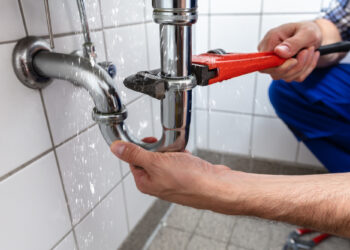
Leaking taps and pipes: Usually caused by worn washers or loose joints.
-
Blocked drains: Build-up of hair, grease, or foreign objects.
-
Low water pressure: Often linked to mineral deposits, leaks, or supply issues.
-
Running toilets: Faulty flapper valves or overflow pipes.
-
Burst pipes: Can occur due to freezing temperatures or pressure build-up.
Early detection is crucial to avoid expensive repairs. Small leaks, if left unchecked, can cause major water damage.
Preventative Plumbing Maintenance
Preventive care is always better than emergency fixes. A maintenance routine can extend the life of your system.
-
Regularly check for leaks under sinks and around appliances
-
Clean drains with safe methods to prevent clogs
-
Flush water heaters to remove sediment
-
Insulate pipes to protect against freezing
-
Test water pressure and ensure it stays within the recommended range
Scheduling an annual plumbing inspection is a wise investment for any homeowner or property manager.
Modern Plumbing Innovations
Plumbing has advanced significantly in recent years, with new technology making systems more efficient and eco-friendly.
Water-Saving Fixtures
Taps, showerheads, and toilets are now designed to reduce water usage without compromising performance. Installing them can cut bills while conserving resources.
Smart Plumbing Systems
Smart leak detectors and water monitors can send alerts to your phone when irregularities occur, helping you act before serious damage happens.
Energy-Efficient Water Heating
Tankless water heaters provide hot water on demand, reducing energy waste compared to traditional storage tanks.
Sustainable Materials
Eco-conscious plumbing now uses recyclable materials and non-toxic pipes that ensure both safety and sustainability.
Choosing the Right Plumber
Not every issue can be handled as a DIY task. A professional plumber should be called when complex installations, replacements, or emergencies occur.
When selecting a plumber:
-
Check for licences and certifications
-
Read reviews or request recommendations
-
Ask for upfront estimates
-
Ensure they offer emergency services
-
Verify insurance and warranty coverage
A qualified professional ensures that work is compliant with safety and building regulations.
DIY Plumbing vs Professional Help
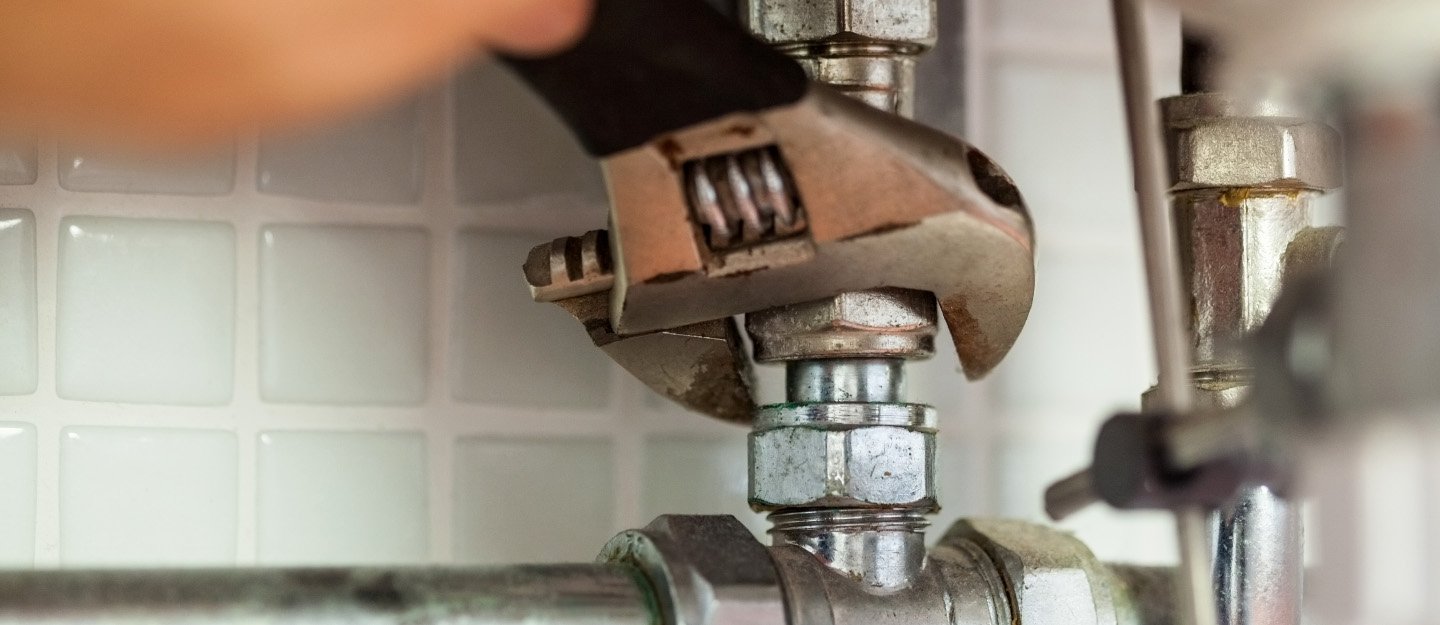
Many small tasks such as changing tap washers, unclogging minor blockages, or tightening fittings can be done without expert help. However, tasks like gas boiler repair, full pipe replacements, or sewer line issues require a trained professional.
Attempting major repairs without knowledge can lead to expensive mistakes and safety hazards.
The Role of Plumbing in Property Value
Plumbing directly influences the value of a property. Buyers often check the age of the plumbing system, condition of fixtures, and efficiency of water heating before making decisions. A home with modern plumbing attracts higher offers and provides reassurance to potential buyers.
Environmental Benefits of Proper Plumbing
Good plumbing reduces water waste, lowers energy usage, and prevents pollution from untreated wastewater. By keeping systems in good condition and investing in eco-friendly solutions, homeowners contribute to sustainability goals while saving money.
Frequently Asked Questions
What should I do if I notice a sudden drop in water pressure?
A sudden drop could mean a hidden leak, a partially closed valve, or an issue with the supply line. Start by checking taps and stop valves. If unresolved, call a professional.
How often should I service my water heater?
It is recommended to service a water heater once a year. Regular maintenance prevents sediment build-up and extends its lifespan.
Can I use chemical cleaners for blocked drains?
Chemical cleaners may provide a quick fix but can damage pipes over time. It is better to use natural methods like baking soda and vinegar or call a plumber for persistent blockages.
What is the best way to prevent frozen pipes in winter?
Insulating exposed pipes and keeping indoor temperatures consistent are the best preventive measures. In severe cold, leaving taps slightly open can relieve pressure.
Why does my toilet keep running after flushing?
This is usually caused by a worn flapper valve or issues with the float mechanism. Replacing these inexpensive parts can solve the problem.
Should I replace old lead pipes?
Yes. Lead pipes pose health risks as they can leach into drinking water. Replacing them with modern alternatives such as copper or PEX is essential for safety.