

Plumbing problems rarely announce themselves at a convenient time. When something goes wrong suddenly, minutes matter. Emergency plumbing issues can cause rapid property damage, health risks, and costly repairs if they’re ignored or delayed. Knowing which situations demand immediate action helps you protect your home and make calm, smart decisions under pressure.
Below are the most common plumbing emergencies, why they’re dangerous, and what to do before professional help arrives.
What Counts as a Plumbing Emergency?
A plumbing issue becomes an emergency when it:
-
Threatens health or safety
-
Risks severe water damage
-
Disrupts essential daily functions
-
Can worsen quickly if left unattended
If water is actively escaping, sewage is involved, or you’ve lost access to clean water, it’s time to act—fast.
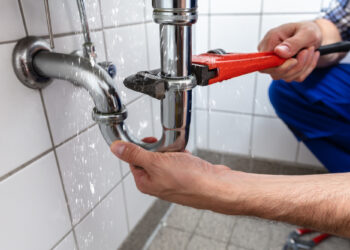
Burst or Severely Leaking Pipes
A burst pipe can release gallons of water in minutes, soaking walls, flooring, and personal belongings.
Why it’s urgent
-
Rapid flooding can weaken structural materials
-
Hidden leaks may lead to mold growth within 24–48 hours
-
Water pressure can force leaks to spread
Immediate steps
-
Shut off the main water valve
-
Turn off electricity in affected areas if safe
-
Drain remaining water from faucets
Overflowing or Backed-Up Toilets
An overflowing toilet isn’t just messy—it can be a serious sanitation issue.
Common causes
-
Blockages deep in the drain line
-
Sewer line backups
-
Faulty float or fill valve
Why you shouldn’t wait
-
Contaminated water can spread bacteria
-
Overflow can damage flooring and subfloors
If plunging doesn’t help and water keeps rising, stop flushing and call for help immediately.
Sewer Line Backups
Sewer backups are among the most hazardous plumbing emergencies.
Warning signs
-
Multiple drains clogging at once
-
Sewage odors inside the home
-
Wastewater backing up into tubs or floor drains
Risks involved
-
Exposure to harmful pathogens
-
Serious property contamination
-
Expensive cleanup if delayed
This is never a DIY situation—professional equipment is essential.
Water Heater Failures
When a water heater leaks or bursts, it can flood nearby areas quickly.
Emergency indicators
-
Pooling water around the tank
-
Rust-colored water
-
Rumbling or popping sounds
Why it matters
-
Large tanks release significant water volume
-
Gas or electrical units may pose fire or shock risks
Turn off the water supply and power source before contacting a plumber.
No Running Water
Losing access to water can bring your household to a halt.
Possible causes
-
Major pipe failure
-
Frozen pipes
-
Municipal supply issues
Why it’s urgent
-
No drinking, cooking, or sanitation
-
Often signals a hidden major leak
If the issue is isolated to your home, immediate inspection is critical.
Gas Line Plumbing Issues
Some plumbing systems intersect with gas-powered appliances.
Red flags
-
Smell of gas near water heaters or boilers
-
Hissing sounds near pipes
What to do
-
Leave the area immediately
-
Avoid using electrical switches
-
Contact emergency services and a licensed professional
Gas-related plumbing problems are extremely dangerous and should never be delayed.
What You Can Do While Waiting for Help
While waiting for emergency service:
-
Shut off water at the main valve
-
Contain leaks with buckets or towels
-
Protect valuables by moving them away from water
-
Ventilate areas affected by sewage or odors
These steps won’t fix the problem, but they can limit damage.
Why Fast Response Saves Money
Delaying emergency plumbing repairs often leads to:
-
Structural repairs
-
Mold remediation
-
Replacement of flooring and drywall
-
Higher restoration costs
Addressing the issue immediately is almost always cheaper than waiting.
FAQ
What should I do first during a plumbing emergency?
Turn off the main water supply immediately to stop further damage, then assess safety concerns like electricity or gas.
Is a slow leak considered an emergency?
A slow leak isn’t always an emergency, but if it’s hidden, worsening, or causing water damage, it should be addressed quickly.
Can I use drain cleaners during a plumbing emergency?
No. Chemical cleaners can worsen clogs and damage pipes, especially during severe blockages or backups.
How do I know if a leak is behind a wall?
Signs include damp spots, peeling paint, musty odors, or unexplained increases in water bills.
Are plumbing emergencies covered by insurance?
Coverage varies. Sudden pipe bursts are often covered, while damage from long-term neglect may not be.
How fast can water damage become serious?
Within minutes, water can ruin flooring and drywall. Mold can begin forming within 24–48 hours.
Should I shut off electricity during flooding?
Yes, if water is near outlets or appliances and it’s safe to do so, shut off power to affected areas.