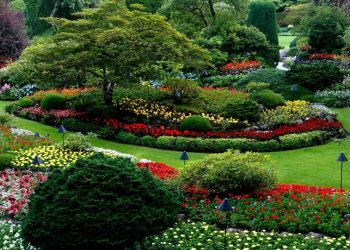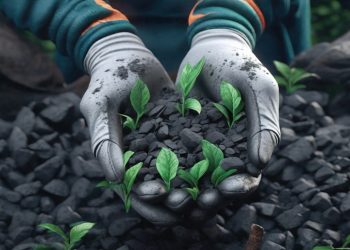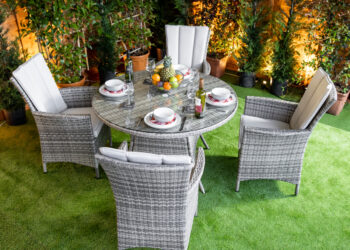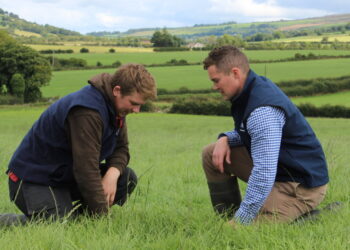

Modern garden landscaping has evolved far beyond neatly trimmed lawns and symmetrical flower beds. Today’s outdoor spaces are designed to be functional, sustainable, and visually calming, blending nature with modern lifestyles. Whether you have a compact urban garden or a sprawling backyard, these trends can help you create a space that feels both stylish and timeless.
Below are the most impactful modern garden landscaping trends worth trying this year.
Sustainable and Eco-Friendly Garden Design
Sustainability is no longer optional in modern landscaping—it’s essential. Garden designs now focus on reducing environmental impact while maintaining beauty.
Key sustainable practices include:
-
Native and drought-tolerant plants that require less water
-
Rainwater harvesting systems for irrigation
-
Organic mulching to retain moisture and improve soil health
-
Permeable paving to reduce runoff and flooding
Eco-conscious gardens are easier to maintain and support local wildlife, making them both practical and responsible.
Minimalist Landscaping with Clean Lines
Minimalism continues to dominate modern outdoor design. This trend emphasizes simplicity, structure, and intentional spacing.
Common minimalist features:
-
Neutral color palettes with greens, greys, and earthy tones
-
Geometric layouts using stone, concrete, or wood
-
Limited plant varieties repeated for visual consistency
-
Open spaces that allow the garden to breathe
A minimalist garden feels calm, organized, and effortlessly elegant.
Outdoor Living Spaces as Garden Extensions
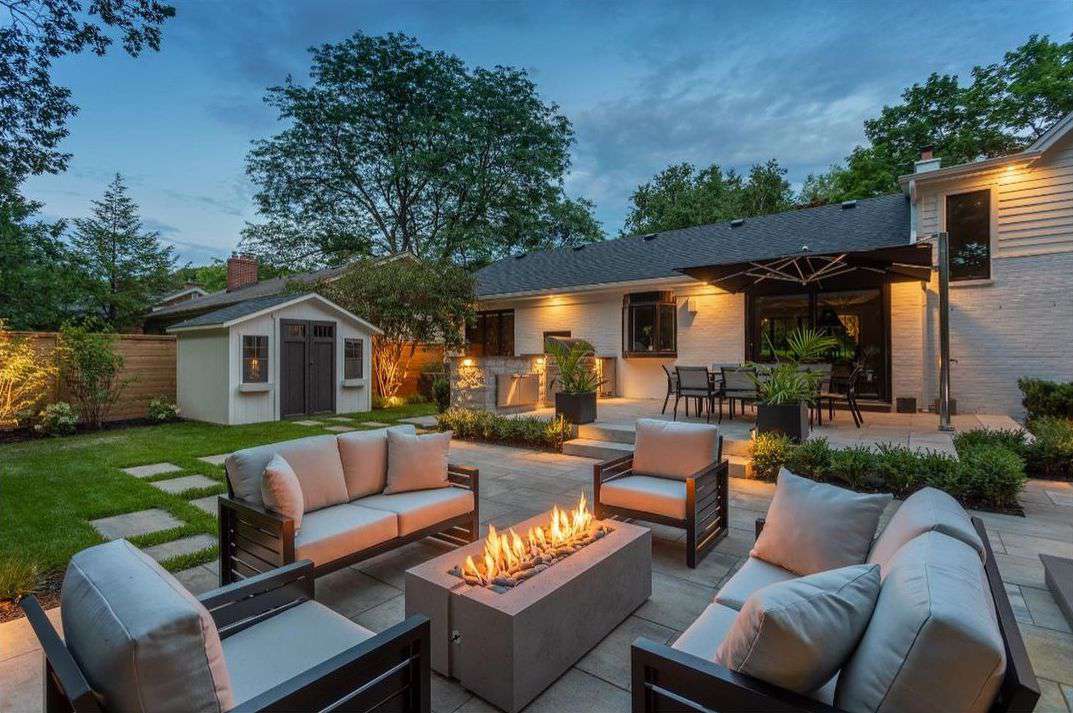
Gardens are no longer just for viewing—they’re meant to be lived in. Modern landscaping treats the garden as an extension of the home.
Popular outdoor living elements:
-
Built-in seating and lounge areas
-
Fire pits or outdoor fireplaces
-
Pergolas or shade structures
-
Outdoor kitchens and dining zones
These features create a seamless indoor-outdoor flow and make the garden usable throughout the year.
Low-Maintenance Landscaping Solutions
Busy lifestyles have pushed demand for low-maintenance gardens that still look polished.
Smart low-care ideas include:
-
Evergreen plants that stay attractive year-round
-
Decorative gravel or stone instead of grass
-
Raised beds with controlled soil quality
-
Automated irrigation and lighting systems
This approach reduces upkeep without sacrificing style.
Natural Materials and Organic Textures
Modern gardens are embracing nature through authentic materials that age gracefully.
Frequently used materials:
-
Natural stone for pathways and walls
-
Wood decking or timber accents
-
Clay, concrete, or ceramic planters
-
Metal elements for contrast and durability
The mix of textures adds depth and creates a grounded, organic feel.
Vertical Gardens and Green Walls
Vertical landscaping is ideal for small spaces or urban settings, turning walls into living design features.
Benefits of vertical gardens:
-
Maximize greenery without taking up ground space
-
Improve air quality and insulation
-
Add a striking visual focal point
-
Work well for herbs, vines, and ornamental plants
They are both decorative and functional, especially in compact gardens.
Smart Technology in Garden Design
Technology is quietly transforming modern landscapes. Smart features improve convenience while enhancing the garden experience.
Popular smart garden additions:
-
App-controlled irrigation systems
-
Solar-powered pathway lighting
-
Motion-sensor security lights
-
Weather-responsive watering controls
These innovations help save energy, water, and time.
Wildlife-Friendly Modern Gardens
Modern landscaping now balances clean design with biodiversity.
Wildlife-friendly features include:
-
Pollinator-friendly plants
-
Small water features or bird baths
-
Natural hedges instead of fences
-
Undisturbed corners for insects and birds
This trend supports ecosystems while keeping the garden visually modern.
FAQs
What defines a modern garden landscape?
A modern garden focuses on clean lines, functionality, sustainability, and simplicity, often combining natural materials with contemporary design elements.
Are modern gardens suitable for small spaces?
Yes, modern landscaping works exceptionally well in small areas by using vertical gardens, minimalist layouts, and multi-functional features.
How can I make my garden modern on a budget?
You can start with simplified plant palettes, gravel pathways, native plants, and DIY seating areas without major construction.
Do modern gardens require less maintenance?
Most modern designs prioritize low-maintenance plants and materials, making them easier to manage than traditional gardens.
What plants are best for modern landscaping?
Evergreens, ornamental grasses, succulents, native species, and structured shrubs are commonly used in modern gardens.
Can modern landscaping still look natural?
Absolutely. By using organic textures, natural stone, wood, and layered planting, modern gardens can feel both structured and natural.
Is smart technology necessary for a modern garden?
It’s optional, but smart systems can improve efficiency and comfort, especially for irrigation and lighting.