
Healthy soil forms the backbone of successful gardening and farming. Over time, however, soil can lose its vitality. This decline affects plant growth, crop yield, and even the environment. One natural and effective solution to this problem is biochar. By integrating biochar into soil management practices, gardeners and farmers alike can rejuvenate their land sustainably.
What Is Biochar?
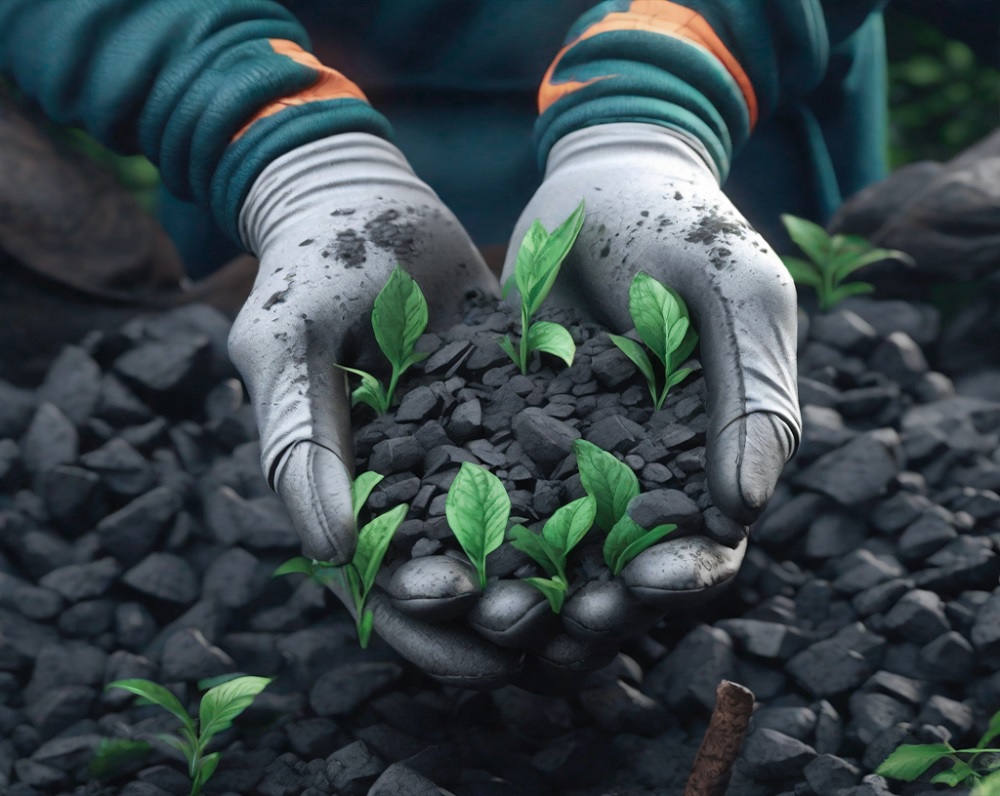
Biochar is a carbon-rich material created by burning organic matter under low-oxygen conditions—a process called pyrolysis. Unlike traditional charcoal, biochar is designed to enrich soil rather than fuel fires. Its porous structure and chemical composition make it a powerful soil amendment.
Biochar improves the soil by:
- Increasing Water Retention: It holds moisture effectively, reducing the need for frequent watering.
- Enhancing Nutrient Availability: Its porous nature traps nutrients and prevents them from washing away.
- Balancing PH Levels: Biochar helps neutralise acidic soils, promoting healthier plant growth.
Why Use Biochar?
- Boosts Soil Fertility: Biochar improves the soil’s structure, making it more fertile and resilient.
- Reduces Environmental Impact: It sequesters carbon, combating climate change while enriching the earth.
- Supports Microbial Life: The unique surface area of biochar encourages beneficial microbes to thrive.
These benefits make biochar an ideal choice for anyone seeking a natural, sustainable way to improve their soil health.
How to Use Biochar in Soil
Incorporating biochar into the soil is simple, but using it correctly ensures maximum benefits. Follow these steps:
- Prepare the Biochar: Mix it with compost or manure to “charge” it with nutrients. This step prevents biochar from absorbing nutrients already present in the soil.
- Apply It Evenly: Spread biochar across the soil’s surface or mix it into the top 6-8 inches.
- Use the Right Amount: Apply 5-10% biochar by volume, depending on your soil type and needs.
The Long-Term Impact of Biochar
The advantages of biochar go beyond immediate soil health. Over time, its effects compound. Fields enriched with biochar show higher crop yields, reduced erosion, and improved resilience during droughts. Unlike chemical fertilisers, which may deplete soil over time, biochar builds its strength.
Where to Buy Biochar
To maximise these benefits, purchasing high-quality biochar is crucial. Always look for a reliable supplier offering sustainably produced biochar with a balanced nutrient profile. Whether you’re a professional farmer or a hobby gardener, the right biochar can make all the difference.
For those ready to enhance their soil health naturally, buy biochar from trusted sources today. Investing in your soil means investing in the future of your plants, crops, and the environment.
Final Thoughts
Biochar stands out as an eco-friendly, effective soil enhancer. Its benefits extend far beyond soil health, contributing to a greener, more sustainable planet. Those committed to improving their gardens, farms, or landscapes should consider biochar an essential addition to their toolkit.
Take the next step toward sustainable soil management. Don’t wait—buy biochar and start transforming your soil today.