

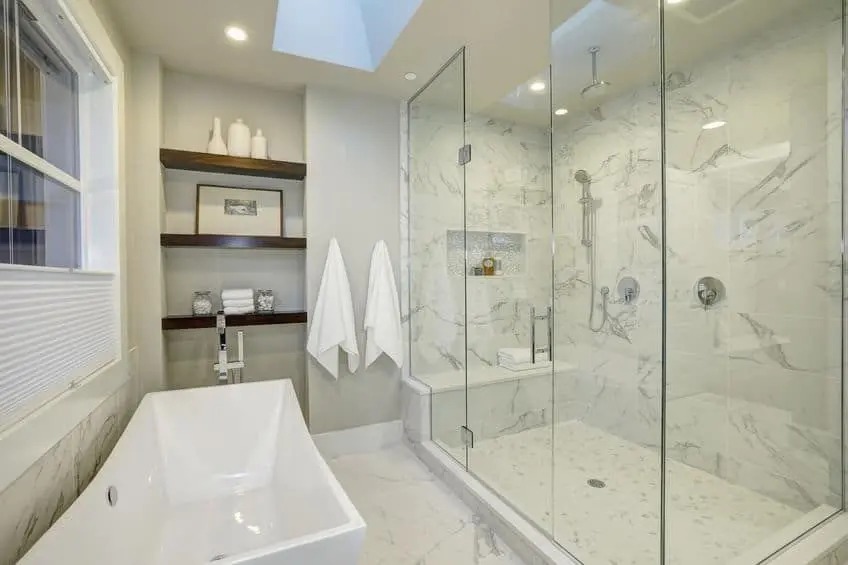
Upgrading your bathroom to include a walk-in shower is an excellent investment for safety, style, and practicality. However, with so many options available, selecting the right walk-in shower for your home can feel overwhelming. From design aesthetics to functionality, there are various factors to consider. This guide will walk you through everything you need to know to make an informed decision.
1. Assess Your Space and Layout
The first step in choosing the right walk-in shower is to evaluate the space available in your bathroom. A walk-in shower can be adapted to fit bathrooms of all sizes, but the layout will determine what type of shower is most suitable.
Key Space Considerations:
- Small Bathrooms: Opt for a corner walk-in shower or a doorless design to save space. A frameless glass enclosure can also create the illusion of a larger bathroom.
- Medium-Sized Bathrooms: Consider a rectangular walk-in shower with room for built-in seating or recessed shelving.
- Large Bathrooms: You can afford to include more luxurious features, such as dual showerheads, expansive glass panels, or even a wet room setup.
Take accurate measurements and note the location of existing plumbing fixtures to determine what modifications, if any, will be needed.
2. Choose the Right Type of Walk-In Shower
Walk-in showers come in various styles, each suited to different needs and preferences. The most common types include:
- Doorless Showers: A sleek, open design with no barriers for entry. Ideal for modern aesthetics and accessibility.
- Enclosed Walk-In Showers: Feature glass panels or sliding doors to contain water. Suitable for families or homes with multiple users.
- Wet Rooms: Entirely waterproofed spaces that integrate the shower with the rest of the bathroom. Excellent for large bathrooms or minimalist designs.
- Corner Showers: A compact option that maximises space in small bathrooms.
Consider your lifestyle and who will be using the shower. For example, households with elderly members may prioritise accessibility, while families may value a fully enclosed option to minimise splashing.
3. Prioritise Accessibility and Safety
One of the primary reasons homeowners upgrade to a walk-in shower is to enhance accessibility. Features like low-threshold or zero-threshold entry, grab bars, and built-in seating can make the shower safer and more convenient for people of all ages and abilities.
Essential Safety Features:
- Non-Slip Flooring: Choose tiles with a high slip resistance rating.
- Grab Bars: Install these near the entry and inside the shower for added stability.
- Hand-Held Showerheads: Adjustable showerheads offer flexibility and ease of use for seated or standing users.
- Shower Seating: A built-in bench or portable stool can provide comfort and support.
By incorporating these features, you can future-proof your bathroom for changing mobility needs.
4. Select the Right Materials
The materials you choose for your walk-in shower will impact its durability, maintenance, and overall look. Popular options include:
- Glass Panels: Frameless or semi-frameless glass creates a clean and modern aesthetic. Look for tempered glass for safety.
- Tiles: Ceramic, porcelain, and natural stone tiles are popular for their versatility and durability. Larger tiles reduce grout lines, making cleaning easier.
- Acrylic Panels: A low-maintenance alternative to tiles, acrylic panels are easy to clean and install.
- Metal Fixtures: Opt for stainless steel or brushed nickel for a timeless and rust-resistant finish.
Consider the amount of maintenance you’re willing to undertake. For example, natural stone requires sealing to prevent moisture damage, while acrylic panels are virtually maintenance-free.
5. Explore Showerhead Options
The showerhead is a key component of your walk-in shower and can greatly enhance your experience. There are several types to choose from:
- Rainfall Showerheads: Offer a spa-like experience with gentle, even water flow.
- Hand-Held Showerheads: Provide flexibility and are ideal for cleaning or assisting individuals with limited mobility.
- Dual Showerheads: Combine a fixed head with a hand-held option for added versatility.
- High-Pressure Showerheads: Deliver a powerful stream of water for an invigorating shower.
Think about your personal preferences and the needs of other household members when selecting the right option.
6. Consider Water Efficiency
Water conservation is an important consideration for environmentally conscious homeowners. Many modern showerheads and fixtures are designed to reduce water usage without compromising performance.
Water-Saving Features to Look For:
- Low-Flow Showerheads: Use less water while maintaining adequate pressure.
- Digital Controls: Allow precise temperature and flow adjustments to minimise waste.
- Eco-Friendly Materials: Choose sustainable options for tiles, panels, and fixtures.
Investing in water-efficient fixtures can also lower your utility bills over time.
7. Budget and Costs
Your budget will play a significant role in determining the type of walk-in shower you can install. Costs can vary widely based on the size, materials, and features you choose.
Average Costs:
- Basic walk-in shower with acrylic panels: £1,500-£2,500
- Mid-range shower with glass panels and tile accents: £3,000-£5,000
- Luxury walk-in shower with custom features: £6,000+.
Factor in additional expenses for plumbing adjustments, waterproofing, and labour. It’s also wise to set aside a contingency budget for unexpected costs.
8. Professional Installation vs. DIY
While some homeowners may be tempted to install a walk-in shower themselves, professional installation is often the better choice. Proper waterproofing, plumbing, and structural considerations are crucial for long-term durability and safety.
Benefits of Professional Installation:
- Ensures compliance with building codes
- Guarantees proper waterproofing to prevent leaks
- Provides access to warranties for materials and labour
If you’re confident in your skills, smaller tasks like tiling or installing fixtures can be tackled as part of a DIY project, but leave the complex work to the experts.
9. Plan for Maintenance
To keep your walk-in shower looking and functioning its best, regular maintenance is essential. Choose materials and fixtures that are easy to clean and resistant to wear.
Maintenance Tips:
- Use a squeegee to clean glass panels after each use.
- Regularly check and clean drains to prevent clogs.
- Re-seal grout and natural stone tiles annually.
Planning for maintenance during the design phase can save you time and effort in the long run.
A Walk-In Shower Tailored to Your Needs
Choosing the right walk-in shower for your home involves balancing aesthetics, functionality, and budget. By assessing your space, prioritising safety, and selecting durable materials, you can create a shower that meets your household’s needs while enhancing your bathroom’s overall appeal.
Whether you’re seeking a stylish upgrade or planning for future accessibility, a walk-in shower offers a versatile and timeless solution. Take the time to explore your options and consult professionals to ensure your new shower exceeds expectations and stands the test of time.