

Protecting Your Property, One Check at a Time
Introduction
I’m someone who’s seen damp creep into cosy corners and turn walls into a worry. When I first stumbled on the idea of a damp proofing survey, I was sceptical—could one simple check make a difference? But let’s be honest: spotting a damp patch early can be the difference between a quick fix and a wallet-emptying repair. In this piece, I’ll share why I care about keeping homes dry and cosy, why a survey isn’t just another expense, and how you can spot trouble before it spirals. Stick with me for a no-nonsense chat on damp decisions and doing what’s best for your property.
What You Need to Know and Do
Understanding Damp: The Sneaky Culprit
You might be wondering, “Is that little stain on my wall a problem?” It could be anything—condensation from steamy showers, a blocked gutter, or worse, penetrating damp eating away at your plaster. I’ve come across homes where a small patch hid a lurking issue that, left unchecked, cost thousands in brick-by-brick repairs. So here’s my tip: don’t shrug it off. A short survey puts you in control.
The Survey Process: What to Expect
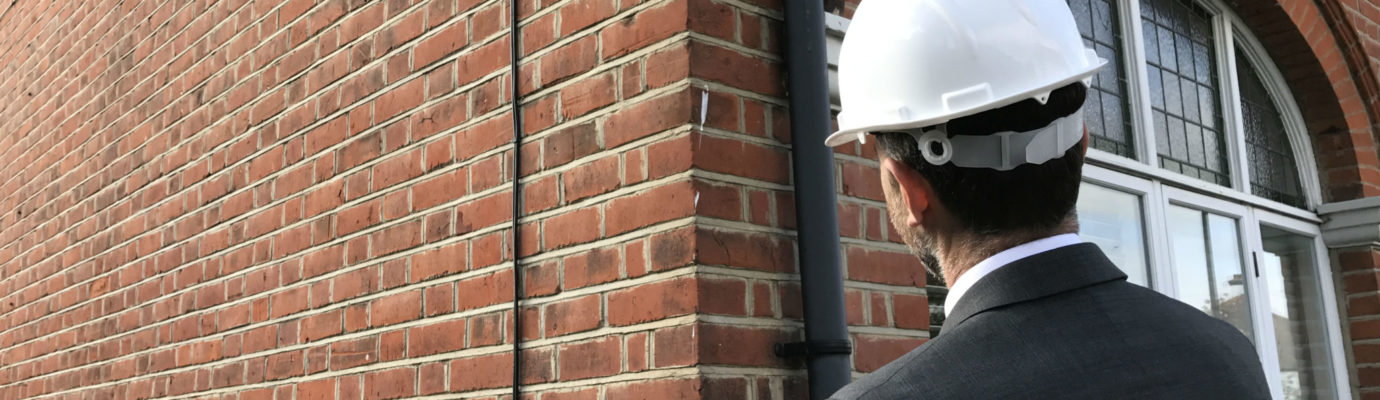
A proper damp-proofing survey isn’t rocket science, but it’s thorough. Here’s generally how it rolls:
- Visual Inspection
-
- Checking walls, floors, and roof spaces for signs of moisture.
- Moisture Meter Readings
-
- Using a small device to measure damp levels in materials.
- Thermal Imaging (Sometimes)
-
- Spotting hidden, cold bridges that encourage condensation.
- Written Report
-
- A clear summary of issues, severity, and next steps.
You’ll walk through your home with an expert who points out both evident and hidden risks. I find it reassuring to have someone explain in plain language what’s happening behind the plaster.
Spotting Early Warnings Yourself
While an expert survey is the gold standard, you can stay vigilant:
- Musty Smells
A damp odour in a cupboard? Don’t ignore it.
- Peeling Paint or Wallpaper
Look for lifting or bubbling finishes.
- Rust on Fixtures
Corroded nails or hinges often mean excess moisture.
- Warped Timber
Doors that stick or skirting boards that bow can signal a problem.
I keep a mental checklist and glance at corners every month. It takes minutes but feels like peace of mind.
Simple Solutions and Practical Advice
Fixing Minor Issues Fast
If your survey shows low-level dampness, you can often sort it with the following:
- Improved Ventilation
Open windows or install extractor fans in kitchens and bathrooms.
- Gutter Cleaning
Clear leaves and debris so rainwater runs free.
- Sealant and Paint
Use a breathable, anti-mould paint after you let the walls dry.
I once fixed a damp corner under my sink by simply clearing an airbrick and leaving the cupboard door ajar after dishwashing. Small steps can nip trouble in the bud.
Tackling Serious Damp
For deeper issues like rising damp or leaking roofs, call in the pros. A damp-proofing specialist can:
- Inject a damp-proof course into the brickwork.
- Replace rotted timbers or plaster.
- Fit new flashings to roofs and chimneys.
Yes, it costs more, but imagine the mounting bills if you let it slide. I’ve seen urgent jobs triple in price over a year. Get it done right, sooner rather than later.
How We Can Help If You Choose to Engage Further
I’ve walked you through the ins and outs of damp, why a survey matters, and what you can do now. If you’re ready to see exactly what’s going on inside your walls—and to act before a slight sniffle of moisture turns into a full-blown leak—book a survey with a trusted expert today. It’s a small step that leads to immense peace of mind.
Take Action Now:
Don’t wait for soggy ceilings or peeling paint. Let’s get your home checked, fix any issues, and keep things dry. Reach out to a qualified surveyor, ask the right questions, and enjoy a worry-free, cosy living space.