
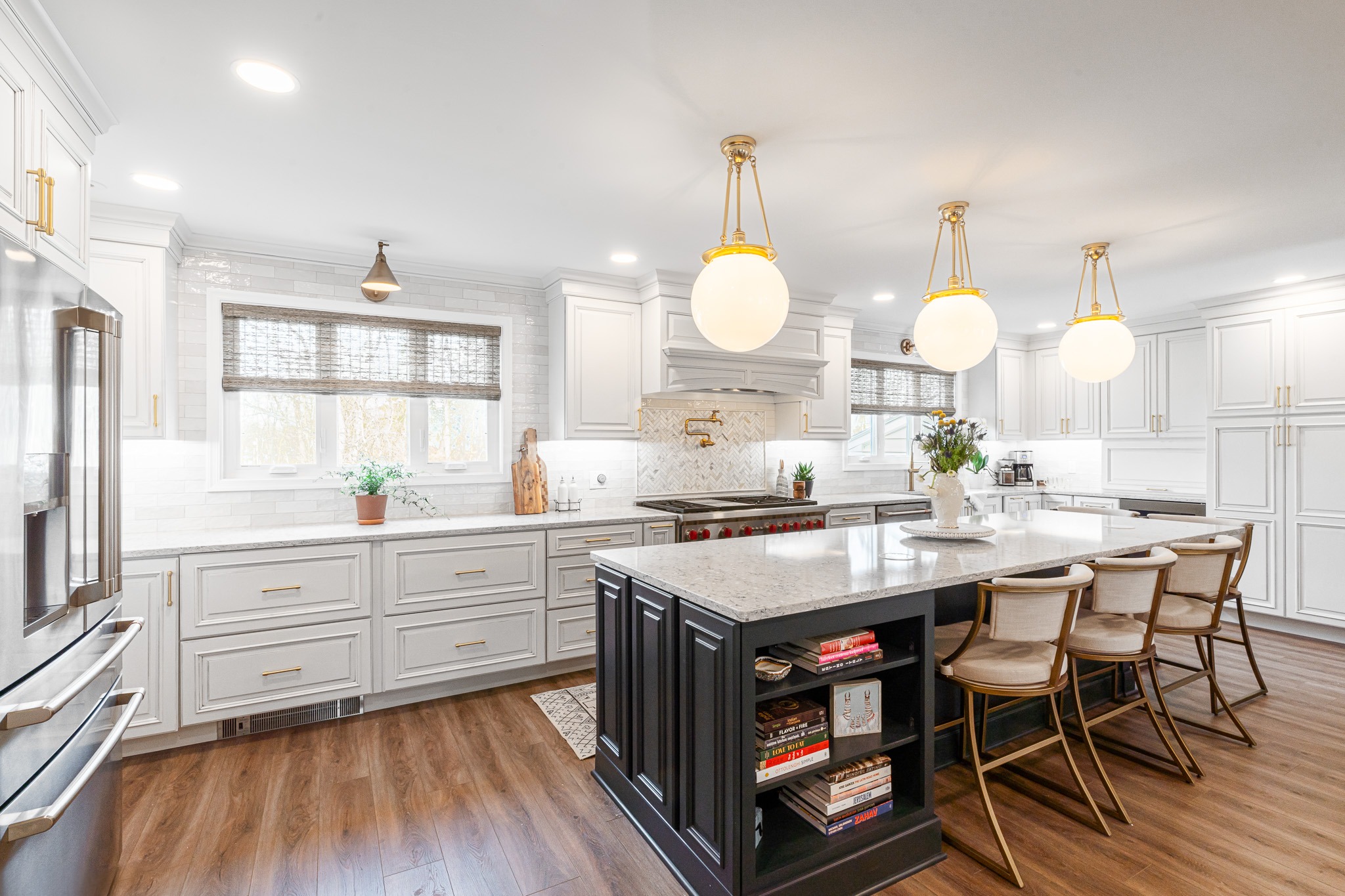
A kitchen is more than just a place to cook meals; it is the heart of the home where functionality, style, and comfort converge. Whether you are planning a new kitchen, renovating an existing one, or simply looking to optimise space, understanding how to design and organise this area can significantly improve daily life. A well-planned kitchen also increases property value and enhances the overall living experience. In this guide, we will explore every aspect of kitchen design, layout, materials, and organisation to help you create a practical yet beautiful space.
Importance of a Well-Designed Kitchen
The kitchen is often considered the most used room in a house. It sets the tone for family gatherings, entertaining guests, and everyday meal preparation. A poorly designed kitchen can lead to frustration, wasted space, and lack of efficiency. By contrast, a thoughtfully planned kitchen makes cooking enjoyable, improves workflow, and promotes cleanliness.
Benefits of Good Kitchen Design
-
Enhanced functionality for everyday cooking
-
Better use of available space
-
Increased storage capacity
-
Improved safety and accessibility
-
Higher property resale value
-
A welcoming environment for social interaction
Understanding Kitchen Layouts
Choosing the right layout is the foundation of any kitchen design. The layout determines how you move between key areas and how well the space supports your cooking habits.
The Working Triangle
The concept of the kitchen working triangle is central to efficiency. It links three key elements:
-
The hob or cooker
-
The sink
-
The refrigerator
A good design ensures these points are neither too far apart nor too cramped, creating a balanced flow.
Popular Kitchen Layouts
-
Single-wall kitchen: Best for compact homes or studio apartments.
-
Galley kitchen: Efficient for smaller spaces, featuring two parallel counters.
-
L-shaped kitchen: Makes use of two adjoining walls, creating an open feel.
-
U-shaped kitchen: Offers maximum counter space and storage.
-
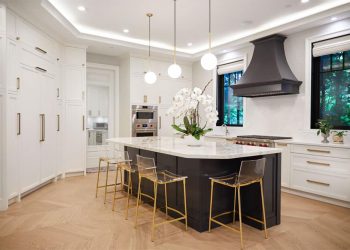
Island kitchen: Adds functionality and a social hub for larger kitchens.
-
Peninsula kitchen: Similar to an island but attached to one side, ideal for medium-sized spaces.
Choosing Kitchen Materials
Materials influence both aesthetics and durability. When selecting materials, consider practicality, ease of cleaning, and long-term value.
Worktops
-
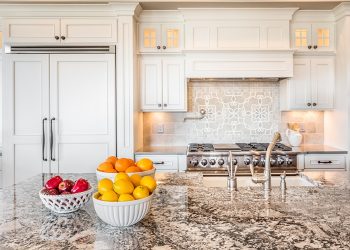
Granite: Strong, heat-resistant, and stylish.
-
Quartz: Non-porous and available in a wide range of colours.
-
Wood: Warm and natural but requires regular maintenance.
-
Laminate: Budget-friendly and versatile in appearance.
-
Stainless steel: Modern, hygienic, and perfect for heavy use.
Cabinets
Cabinet materials should balance appearance with functionality. Solid wood is classic, while MDF and plywood offer cost-effective alternatives with a sleek finish.
Flooring
The kitchen floor must withstand spills, stains, and heavy traffic. Popular choices include:
-
Ceramic or porcelain tiles
-
Natural stone
-
Vinyl or luxury vinyl tile (LVT)
-
Hardwood with protective finishing
Storage Solutions for Every Kitchen
Storage is one of the biggest challenges in kitchen planning. Clever solutions can maximise space while keeping everything accessible.
Smart Storage Ideas
-
Pull-out pantry units for narrow gaps
-
Deep drawers with dividers for pots and pans
-
Wall-mounted racks and magnetic strips for utensils
-
Corner carousel units to prevent wasted space
-
Overhead cupboards with adjustable shelving
-
Under-sink organisers for cleaning supplies
Lighting in the Kitchen
Lighting influences both practicality and atmosphere. A combination of ambient, task, and accent lighting creates a well-lit and welcoming space.
-
Ambient lighting: Ceiling fixtures or recessed lights for general illumination.
-
Task lighting: Focused lights above counters, sinks, and cooktops.
-
Accent lighting: Decorative fixtures or under-cabinet strips to highlight features.
Appliances and Technology Integration
Modern kitchens often include smart technology that enhances convenience and efficiency.
-
Energy-efficient appliances that reduce bills
-
Smart ovens with programmable settings
-
Induction hobs for faster, safer cooking
-
Built-in dishwashers to save space
-
Voice-controlled assistants for hands-free operation
Kitchen Colour Schemes
Colour plays a major role in setting the mood. Neutral tones like white, cream, or grey make the space appear larger, while bold accents add personality. Popular choices include:
-
White with natural wood for a timeless look
-
Dark navy with brass fittings for sophistication
-
Pastel shades for a calming atmosphere
-
Black and white for a modern contrast
Safety Considerations
Safety is critical in kitchen design. Slippery floors, poor lighting, or awkward layouts can lead to accidents.
Key safety tips:
-
Non-slip flooring
-
Rounded edges on worktops
-
Adequate ventilation to reduce smoke and odours
-
Fire safety equipment like extinguishers and alarms
-
Childproofing for families with young children
Kitchen Organisation Tips
A beautifully designed kitchen still needs effective organisation. Keeping items in logical zones makes cooking easier.
-
Store everyday utensils near the cooking area
-
Place plates and glasses close to the dishwasher
-
Keep baking trays and cutting boards upright in dividers
-
Use clear containers for dry goods
-
Label pantry items for easy access
Sustainability in Kitchen Design
With growing focus on eco-friendly living, kitchens can be designed sustainably.
-
Use recycled or reclaimed materials
-
Choose water-saving taps
-
Opt for LED lighting
-
Select energy-efficient appliances
-
Incorporate compost bins to reduce waste
Bringing Style and Function Together
The best kitchens combine aesthetics with utility. A stylish backsplash, sleek handles, and well-chosen accessories add personality without compromising on practicality. Adding greenery, open shelving, and decorative lighting fixtures can also make the kitchen more inviting.
FAQs About Kitchen Design
What is the most efficient kitchen layout for small homes?
A galley or single-wall layout is usually best for smaller homes, as it maximises available space without compromising on efficiency.
How do I choose the right kitchen worktop?
Consider your lifestyle. Granite or quartz is best for durability, while wood adds warmth but requires regular care. Laminate is ideal for budget-friendly designs.
How can I make my kitchen more eco-friendly?
Invest in energy-efficient appliances, install LED lighting, and choose sustainable materials such as bamboo or recycled surfaces.
What is the average cost of a kitchen renovation in the UK?
Costs vary widely depending on size, materials, and appliances, but a mid-range renovation typically starts from £8,000 to £15,000.
Should I choose an island or a peninsula?
An island is ideal for larger kitchens with open floor space, while a peninsula suits medium-sized areas where an island would be too bulky.
How do I create a kitchen that works for both cooking and entertaining?
Consider adding an island with seating, open shelving for display, and a layout that allows movement between the kitchen and dining areas.