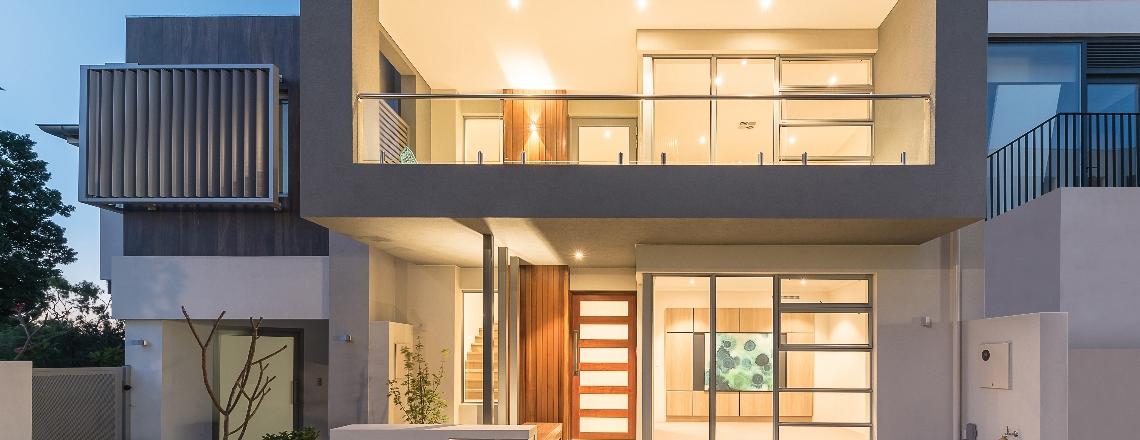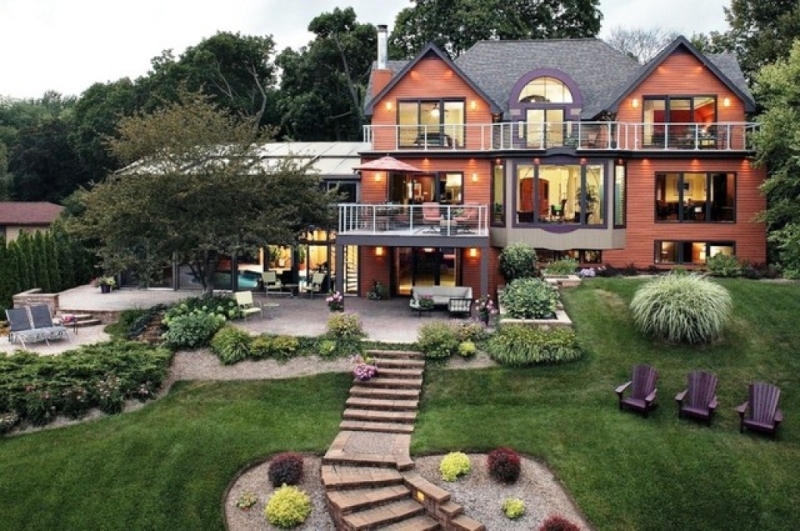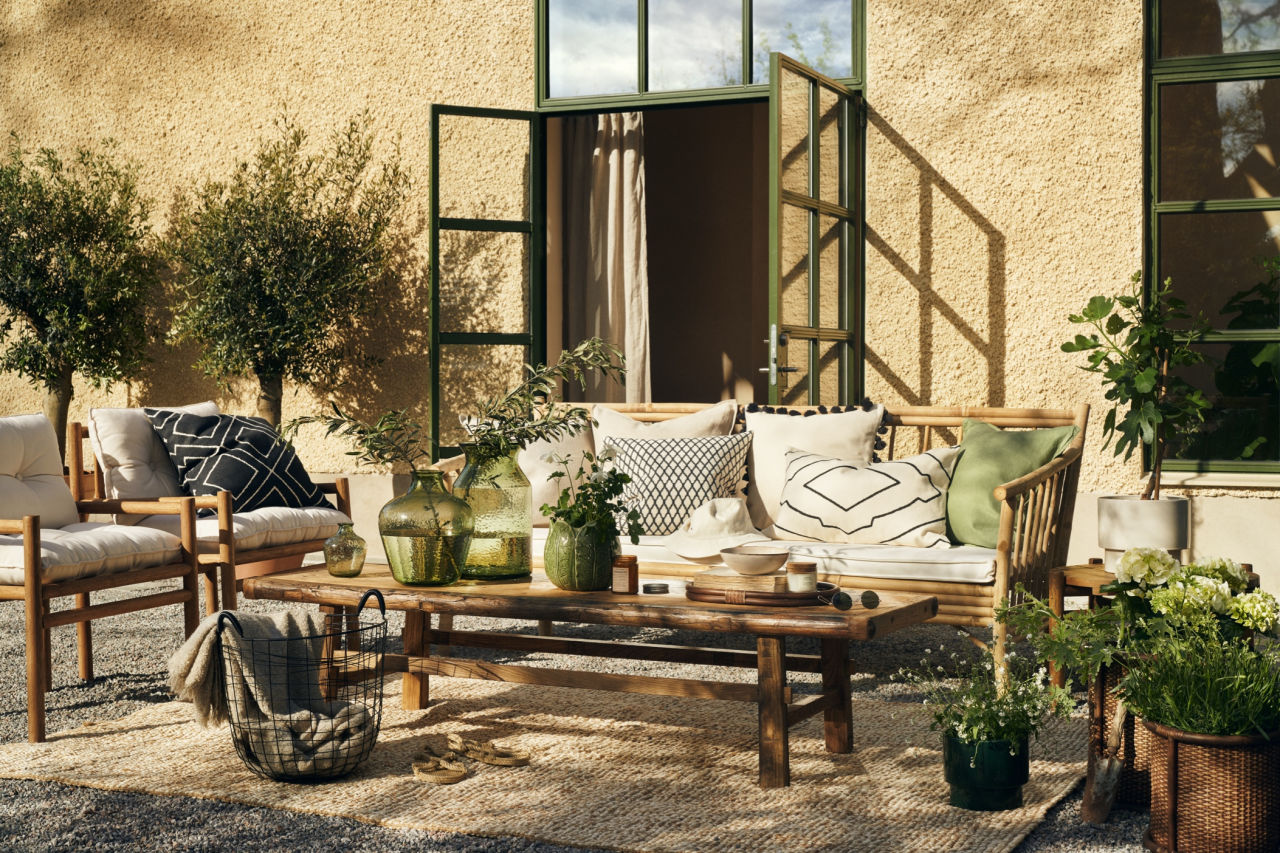

Design is far more than decoration. It is the process of shaping how people interact with products, services, and spaces. Good design blends creativity, functionality, and human understanding to deliver solutions that feel effortless yet purposeful. Whether in architecture, product development, fashion, or digital experiences, design influences daily life in ways that often go unnoticed until something fails to meet expectations.
What is Design?
Design can be defined as the intentional planning and execution of ideas to solve a problem or fulfil a need. It involves both aesthetic appeal and functional purpose. A well-designed chair, for instance, is not only visually pleasing but also comfortable and durable. Similarly, a website must balance engaging visuals with usability so that visitors can navigate easily.
Key Characteristics of Good Design
-
Functionality: Every design should serve a purpose beyond appearance.
-
Simplicity: The best solutions are often the simplest ones.
-
Consistency: Elements that feel familiar create trust and ease of use.
-
Emotional Impact: Design should evoke a positive response from users.
-
Adaptability: Good design considers future growth and flexibility.
Principles of Design
Several guiding principles help shape effective and timeless designs across industries.
Balance
Balance refers to the distribution of visual weight. This can be symmetrical, where both sides are equal, or asymmetrical, where contrast creates harmony without uniformity.
Contrast
Contrast enhances readability and focus. By using differences in colour, size, or shape, designers can draw attention to the most important elements.
Alignment
Alignment creates order and makes a design feel structured. It ensures that every element has a relationship to others, avoiding a cluttered appearance.
Hierarchy
Hierarchy directs the viewer’s eye to what matters most. Larger, bolder, or more colourful elements naturally take precedence.
White Space
Also called negative space, white space prevents overcrowding and allows key features to breathe, improving overall clarity.
The Role of Design in Different Fields
Product Design
Product design combines engineering with creativity to produce everyday objects. Items like smartphones, furniture, and kitchen tools all require ergonomic considerations, durability, and user satisfaction.
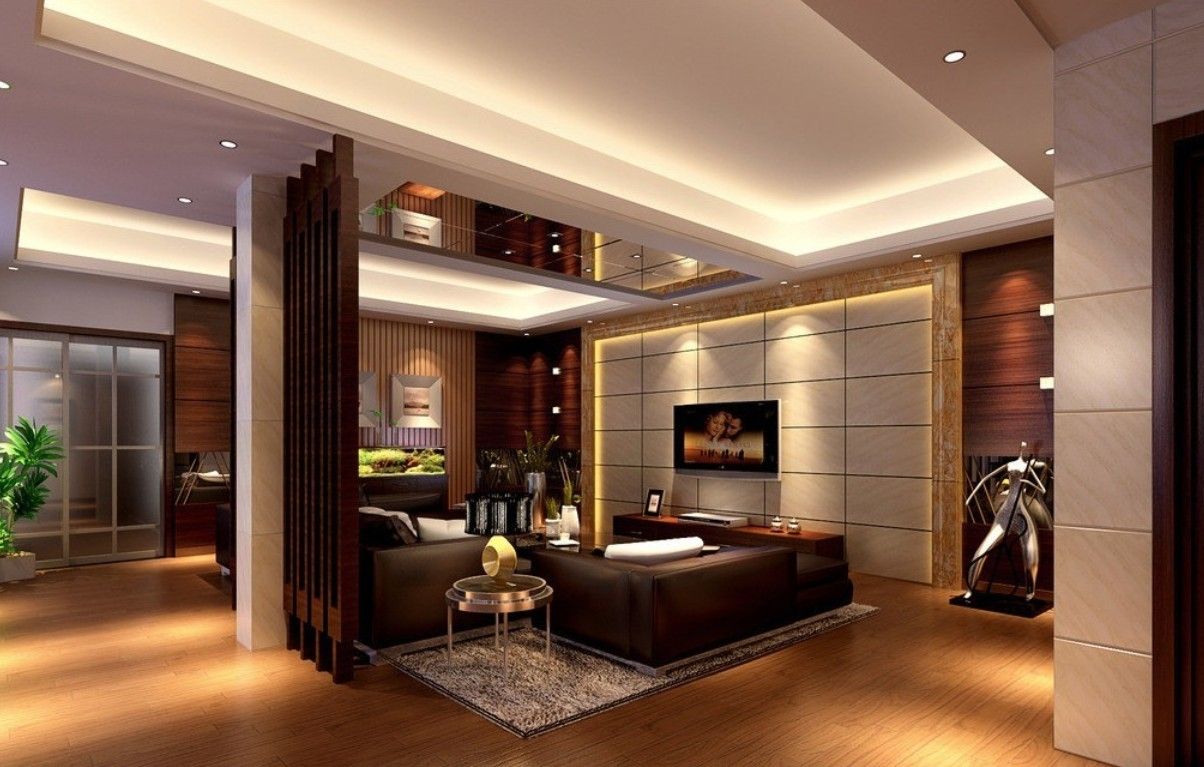
Interior Design
Interior design transforms spaces into functional and aesthetic environments. It considers lighting, layout, textures, and colour schemes to create comfort and efficiency.
Graphic Design
Graphic design communicates messages visually through typography, colour, and imagery. From brand logos to marketing materials, it plays a vital role in shaping perception.
Digital Design
Digital design focuses on websites, apps, and interfaces. A successful digital product requires seamless navigation, accessibility, and appealing visuals.
Fashion Design
Fashion design expresses identity and culture through clothing. It merges creativity with craftsmanship, while also considering trends, materials, and sustainability.
The Psychology Behind Design
Humans instinctively respond to design. Colours, shapes, and layouts influence mood and decision-making. For example:
-
Blue often conveys trust and reliability.
-
Red stimulates urgency and passion.
-
Circular shapes feel friendly, while sharp angles suggest stability and power.
Understanding psychology allows designers to create experiences that align with human behaviour and emotional responses.
Sustainability in Design
Modern design increasingly incorporates sustainability. Designers consider materials, production methods, and product lifecycles to reduce environmental impact. This includes using recycled elements, designing for repairability, and minimising waste.
Technology and Design
Advancements in technology have transformed design practices:
-
3D modelling software enables realistic visualisations.
-
AI-driven tools assist with layout, colour matching, and trend prediction.
-
Virtual reality allows immersive testing of architectural or interior plans.
-
Sustainable materials innovation is reshaping manufacturing.
The Process of Design
Design is not random creativity; it follows a structured process:
-
Research: Understand user needs and industry context.
-
Ideation: Brainstorm possible solutions.
-
Prototyping: Create mock-ups or models.
-
Testing: Gather feedback from real users.
-
Iteration: Refine the design based on results.
-
Finalisation: Deliver the finished product or experience.
This process ensures that the end result is not just beautiful but also practical.
Challenges in Design
Designers often face challenges that test creativity and adaptability:
-
Balancing aesthetics with budget
-
Ensuring accessibility for diverse audiences
-
Keeping pace with technology and trends
-
Designing for sustainability without compromising quality
These challenges highlight the importance of strategic thinking in addition to artistic skills.
Why Design Matters
Design influences how people feel, act, and perceive the world. From the comfort of a chair to the usability of a mobile app, design decisions directly affect everyday experiences. Companies and creators that prioritise thoughtful design often see stronger customer loyalty and long-term success.
FAQs about Design
What is the difference between design and art?
Art is primarily about self-expression, while design is about solving problems for users. Although both overlap in creativity, design has a functional purpose.
Why is user-centred design important?
User-centred design focuses on the needs and behaviours of the people using the product, leading to solutions that are practical, intuitive, and enjoyable.
How does colour theory affect design?
Colour influences emotions and behaviour. For example, warm tones can energise a space, while cooler tones create calmness. Designers use colour strategically to guide perception.
Can design improve productivity?
Yes, workplace design with ergonomic furniture, natural lighting, and thoughtful layouts can boost employee comfort and efficiency.
What role does accessibility play in design?
Accessibility ensures that designs can be used by people with different abilities. This includes readable fonts, colour contrast, wheelchair-friendly layouts, and inclusive technology.
How do cultural factors impact design?
Culture shapes preferences in colour, symbolism, and style. Designers often adapt elements to suit the traditions, values, and expectations of different audiences.