

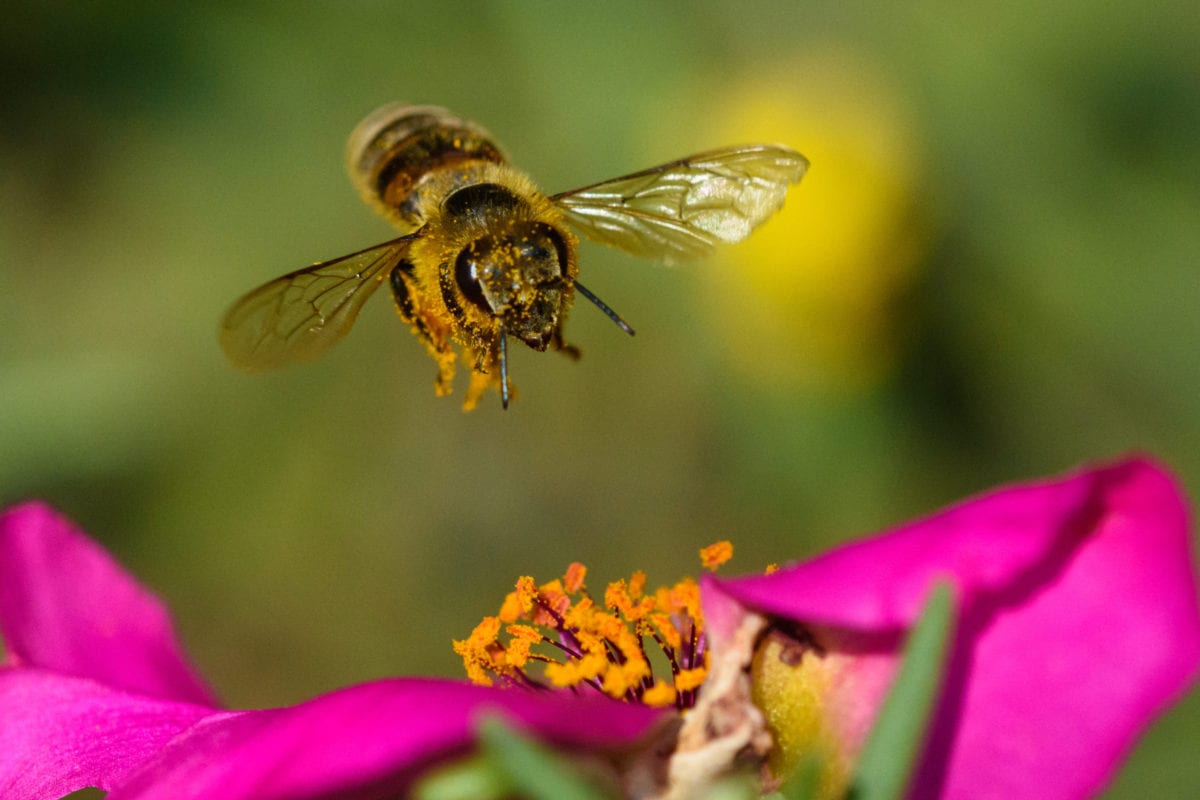
Gardeners across Britain are becoming increasingly aware of the need to support pollinators. Amid ongoing conversations about biodiversity loss and the changing climate, the nation’s back gardens, allotments, and orchards play a vital role in safeguarding these essential insects. Bees, in particular, serve as the tireless ambassadors of nature’s grand pollination scheme, ensuring that blossoms become fruit, seeds, and the next generation of beautiful plants. Yet it takes deliberate planning and understanding to foster an environment where bees can thrive. Creating a pollinator haven means carefully selecting a range of trees and companion plants, understanding local conditions, and looking to guidance from specialists who have observed the delicate balance of bees and trees for generations.
A nursery specialist at ChrisBowers notes that a well-curated garden, rich in flowering fruit trees and layered with compatible understory plants, can offer bees a generous succession of blooms from early spring through to late summer. According to this specialist, gardeners who choose a variety of early and late blooming cultivars ensure that pollinators have a steady source of nectar and pollen, thus promoting orchard health and boosting fruit yields. The specialist advises that the real art of gardening for pollinators is to think beyond the immediate season and consider how each plant’s flowering time interacts with others. Long-term success emerges when a gardener takes a holistic view, providing nourishment from the first apple blossom to the last late-summer wildflower.
The Importance of Bees in the Garden Ecosystem
Bees hold a pivotal place in the orchard and garden ecosystem. While honeybees, bumblebees, and solitary bees each have their own unique habits, they share a common bond: the pollination of a wide range of plants. For centuries, this pollination service has been taken somewhat for granted. Home gardeners simply planted trees, waited for bees to appear, and enjoyed the resulting harvest. More recently, it has become clear that bee populations have faced serious challenges, including habitat loss, pests such as the varroa mite, and the widespread use of chemical pesticides. The decline in pollinators has prompted a reassessment of how gardens are designed, managed, and maintained.
Where bees thrive, gardens flourish. Orchards full of apple, pear, plum, and cherry trees depend on the presence of active pollinators. Without the diligent work of bees, blossoms often fail to set fruit, resulting in poorer harvests. Likewise, ornamental trees and shrubs may produce fewer seeds or fruit, diminishing their subsequent ability to propagate. Ultimately, by caring for bees, gardeners not only safeguard abundant and nutritious harvests but also help preserve plant diversity.
The Relationship Between Pollinators and Trees
Britain’s traditional orchard culture has always been closely tied to pollinators. A single apple tree might have hundreds or even thousands of blossoms. Each tiny pinkish-white bloom promises the possibility of an apple, but only if bees visit at just the right moment. Different cultivars of apple trees, as well as other fruiting species, rely on a variety of pollinators. Some species are self-fertile, meaning they can produce fruit from their own pollen. Others require cross-pollination, which makes bees absolutely essential. In practical terms, this means that an orchard with multiple varieties blooming simultaneously supports not only bees but also ensures that pollination requirements are met for each distinct cultivar.
For a gardener looking to establish or improve their orchard, understanding pollinator compatibility is key. Certain apple varieties, for example, make better “pollinators” than others, producing large amounts of viable pollen and overlapping bloom times with their partners. Ensuring a diversity of fruiting species, and sourcing them from reputable nurseries that understand these relationships, can significantly improve pollination outcomes. By planting early, mid, and late season varieties, gardeners provide bees with a reliable succession of nectar and pollen. This thoughtful approach not only encourages bee activity but also increases the quantity and quality of the eventual harvest.
Designing a Pollinator Haven in Your Garden
Creating a garden that supports bees involves more than simply planting a few fruit trees. While the trees themselves form the backbone of the ecosystem, the understory and surrounding plant life also play a critical role. Bees benefit immensely from continuous blooms throughout the growing season. Early flowering species such as crab apples or some ornamental cherries feed bees emerging from winter hibernation. Later, species of late-season flowering apple trees and companion plants like lavender or marjoram extend the foraging period into the warmer months.
In addition to selecting a range of fruit trees, gardeners should consider the broader tapestry of their garden. Though the presence of fruit trees for sale at local nurseries may tempt one to focus solely on orchard plantings, it is equally important to populate the garden with flowering herbaceous perennials, shrubs, and even wildflowers. By doing so, the gardener creates a layered environment that caters to different bee species and offers them shelter, nesting sites, and a varied menu of pollen and nectar sources.
Traditional British cottage gardens have long provided an excellent template for such pollinator havens. Intermingling fruit trees with flowering shrubs and herbaceous plants creates a visually attractive and ecologically balanced setting. Hedges of hawthorn, mixed with wild rose and honeysuckle, encourage beneficial insects while adding aesthetic and wildlife interest. Climbing plants on trellises can offer vertical habitat niches, while groundcover plants and low-growing herbs fill in gaps at soil level. The resulting garden feels both abundant and purposeful, supporting a vibrant community of pollinators that ensures healthy fruit sets and visually stunning blossoms.
The Role of Soil and Garden Management
While bees are a crucial part of the orchard ecosystem, the soil beneath the gardener’s feet should not be overlooked. Healthy soil nourishes fruit trees, enabling them to produce high-quality blossoms laden with nectar and pollen. A poor soil condition can weaken trees, reduce blooming, and thus diminish the foraging opportunities for bees. Incorporating well-rotted compost, leaf mould, or other organic matter into the soil improves its structure and fertility, encouraging robust root growth and improving the drought tolerance of trees.
Avoiding harmful chemical inputs is also essential. Many pesticides and herbicides can harm bees and other pollinators, reducing their numbers and affecting their health. Instead, adopting organic approaches to pest and disease management leads to more sustainable pollinator populations. Handpicking pests, encouraging natural predators like ladybirds, and using organic sprays only as a last resort help maintain a garden environment in which bees can thrive. While it may take more patience, the long-term benefits of chemical-free gardening are considerable, resulting in vibrant orchards that teem with insect life, from the tiniest solitary bee to the impressive bumblebee queens.
Mulching under fruit trees can help retain moisture and improve soil structure. However, it is best to leave some areas with exposed, sandy patches for mining bees. Similarly, incorporating small logs, twigs, or a well-positioned insect “hotel” can provide beneficial nesting sites for solitary species. By considering the entire microcosm of the orchard environment—soil, understory, canopies, and nearby structures—gardeners can craft a space that is as suitable for bees as it is for producing abundant crops.
The Influence of British Climate and Local Conditions
Britain’s relatively mild and often damp climate helps maintain a green and diverse landscape. This environment is generally favourable to a wide range of plants and, by extension, pollinators. However, climatic variations do exist. Some regions may experience harsher frosts, while others might have milder winters or slightly drier summers. Adapting the choice of fruit trees and companion plants to these local conditions ensures that bees have reliable forage sources year after year. For example, if a garden sits in a colder region, selecting hardy varieties of apple or cherry ensures that blossoms appear at a time when bees are active, rather than too early in the season.
In addition, climate considerations affect the flight times and habits of different bee species. Ensuring that trees and plants flower at appropriate times is crucial. If blossoms appear before bees are ready to forage, pollination may be limited. Conversely, if nectar sources vanish too early, late-season bees may struggle. The solution lies in researching local conditions, working with knowledgeable nurseries, and experimenting with plant varieties until the right combination emerges.
The Diverse World of Pollinator-Friendly Trees
Most gardeners are familiar with classic apple or pear trees, but many other tree species attract and support pollinators. Nut trees, ornamental cherries, crab apples, and even some willows can draw in a variety of bees. The inclusion of native tree species within or on the periphery of the orchard helps maintain a balance of pollen and nectar sources. Native species have co-evolved with local bee populations, making them particularly well-suited to sustaining these insects.
Beyond the classic orchard staples, introducing less common fruiting species can broaden both the culinary and ecological offerings of the garden. Medlars, quinces, and damsons provide distinct flavours and extended seasons of interest. Each species has its own bloom time and nectar profile. From the pollinator’s perspective, variety is essential. Multiple pollen sources ensure a more balanced diet, while staggered flowering times support different stages of the bees’ life cycles. Gardeners might find these unusual trees listed amongst fruit trees for sale at specialist nurseries. Though it can be tempting to stick to popular varieties, exploring the full range of fruit-bearing trees helps diversify the garden and strengthen its pollinator populations.
Integrating Other Pollinators and Beneficial Insects
While bees take centre stage in the pollination story, gardens also benefit from a host of other beneficial insects. Hoverflies, butterflies, moths, and beetles all play parts in maintaining a healthy orchard ecosystem. Broadening planting choices to accommodate these insects can further support bees, as the presence of multiple pollinator species often indicates a well-balanced environment. For instance, caterpillars that feed on certain native plants become food for birds, which in turn help control insect pests. Each component of this intricate web affects pollinators, directly or indirectly.
In a well-balanced orchard, everything from soil microbes to predatory wasps contributes to the stability that enables bees to flourish. By welcoming a range of beneficial insects, gardeners create a tapestry of life that can withstand disturbances like harsh winters, wet springs, or sudden pest outbreaks. This diversity, in turn, ensures that bees never find themselves stranded without suitable foraging opportunities. Though a gardener may begin with the idea of supporting honeybees for improved orchard yields, over time it becomes clear that a fully integrated approach is best.
Sourcing Fruit Trees and Long-Term Investment
A gardener’s decision to plant fruit trees is often a long-term commitment. Trees can live for decades, providing beauty, shade, fruit, and habitat for pollinators through the years. Thus, choosing high-quality, disease-resistant saplings from reputable sources is crucial. Many specialists who advertise fruit trees for sale emphasise the importance of proper rootstocks, well-managed growing conditions, and transparent nursery practices. Trees that are started off well have a better chance of integrating smoothly into a pollinator haven.
Once planted, fruit trees require ongoing care. Pruning is essential for maintaining shape, promoting new growth, and ensuring better flowering and fruiting. However, pruning should be timed to avoid disturbing nesting bees or removing blossoms on which bees rely. A gentle approach, carried out when trees are dormant, prevents harming the orchard’s insect inhabitants. As the years pass, trees gradually mature, and their relationship with pollinators grows richer. The gardener learns which trees attract the most bees, which understory plants thrive beneath their canopies, and how to tweak management practices to achieve a harmonious equilibrium.
Cultural Heritage and the Future of Orchards
Britain’s orchard heritage dates back centuries. Traditional orchards often served as community hubs, providing fresh fruit, wildlife habitat, and a sense of place. As agricultural practices became more intensive, many older orchards disappeared, taking with them the pollinator havens they once offered. Today, as interest in heritage fruit varieties and biodiverse gardening rises, the revival of traditional orchard management techniques brings renewed hope for Britain’s pollinators.
The modern gardener stands at the intersection of old and new knowledge. While scientific research sheds light on pollinator behaviours and best practices, traditional orchard wisdom provides time-tested strategies for creating balanced ecosystems. By blending these approaches, gardeners can cultivate places where bees flourish, ensuring that future generations enjoy not only the taste of fresh apples but also the gentle hum of bees working among the blossoms.
Engaging the Wider Community
The effort to support bees and create pollinator havens need not be confined to one garden. Local communities can collaborate to form neighbourhood “pollinator corridors,” connecting gardens, allotments, parks, and hedgerows. Schools can engage children in planting fruit trees, teaching them early about the importance of pollinators. Allotment societies can share tips, scion wood, and recommendations for the best flowering varieties. Over time, the collective action of many gardeners can make a profound difference, ensuring that bees have abundant forage across entire regions.
Local environmental groups and garden clubs often hold workshops, talks, or open garden days to share knowledge and inspire action. These events serve as excellent opportunities to learn about the best techniques for encouraging pollinators, identify sources of fruit trees for sale that support biodiversity, and connect with fellow enthusiasts who share a love of gardening. As more people become aware of the role bees play in the larger ecosystem, pollinator-friendly gardening practices become second nature.
Adapting to Changing Conditions and Emerging Challenges
Climate change is already altering the rhythms of seasons and affecting pollinator life cycles. Mild winters may cause early blossoming, putting flowers out of sync with bee emergence. Warmer summers might favour some pollinator species over others, altering the composition of orchard ecosystems. To ensure long-term resilience, gardeners must be prepared to adapt. This might mean selecting more climate-resilient fruit varieties, adjusting planting times, or experimenting with new companion plants that thrive in shifting conditions.
Keeping records helps gardeners track what works and what does not. Noting blooming times, weather patterns, and the presence of certain pollinators can inform future decisions. Over time, patterns emerge, allowing gardeners to predict which plant combinations are best suited to support bees under changing conditions. By remaining flexible, resourceful, and committed to ecological principles, British gardeners can rise to these challenges and maintain thriving pollinator havens for generations to come.
The Rewards of a Pollinator Haven
There is a quiet delight in walking through an orchard buzzing with life. The gentle hum of bees visiting blossoms is a reassuring sound, symbolising a healthy and balanced ecosystem. The reward for nurturing such a haven is not only better fruit yields but also a sense of connection to nature’s ongoing cycles. Watching bees dart from bloom to bloom, one realises that these tiny creatures carry the future harvest. They represent continuity, ensuring that trees will set fruit, that seeds will spread, and that the orchard’s legacy lives on.
A pollinator haven is more than a gardening trend; it is a thoughtful response to environmental challenges, a gift to future generations, and a celebration of the intricate relationships that sustain life. By investing time and care into creating a bee-friendly environment, gardeners can ensure that Britain’s orchards, both old and new, remain vibrant and productive landscapes. Each choice, from selecting the right fruit trees to managing the soil and providing diverse nectar sources, contributes to the vitality of these pollinator havens.
Conclusion: Sustaining Britain’s Buzzing Orchards
In an era where environmental concerns touch every aspect of life, the British gardener’s role has never been more vital. By recognising the importance of bees and other pollinators, and by creating havens where they can thrive, individuals can make a meaningful difference. Such actions need not be complicated or costly. They start with careful selection and placement of fruit trees, obtained from reliable sources like those offering fruit trees for sale with a conscious approach, and extend to nurturing a biodiverse mix of flowering plants that feed pollinators throughout the seasons.
The advice from nursery specialists is invaluable, as are the lessons drawn from traditional orchard management. With patience, observation, and a willingness to adapt, any gardener can cultivate a space that resonates with the hum of bees. Over time, these efforts help ensure that Britain’s orchards continue to bloom, that harvests remain plentiful, and that pollinators find abundant refuge in gardens big and small. The future of pollinators and the orchards they serve rests in human hands, and by working with nature, gardeners can look forward to many seasons of blossoms and bees to come.