

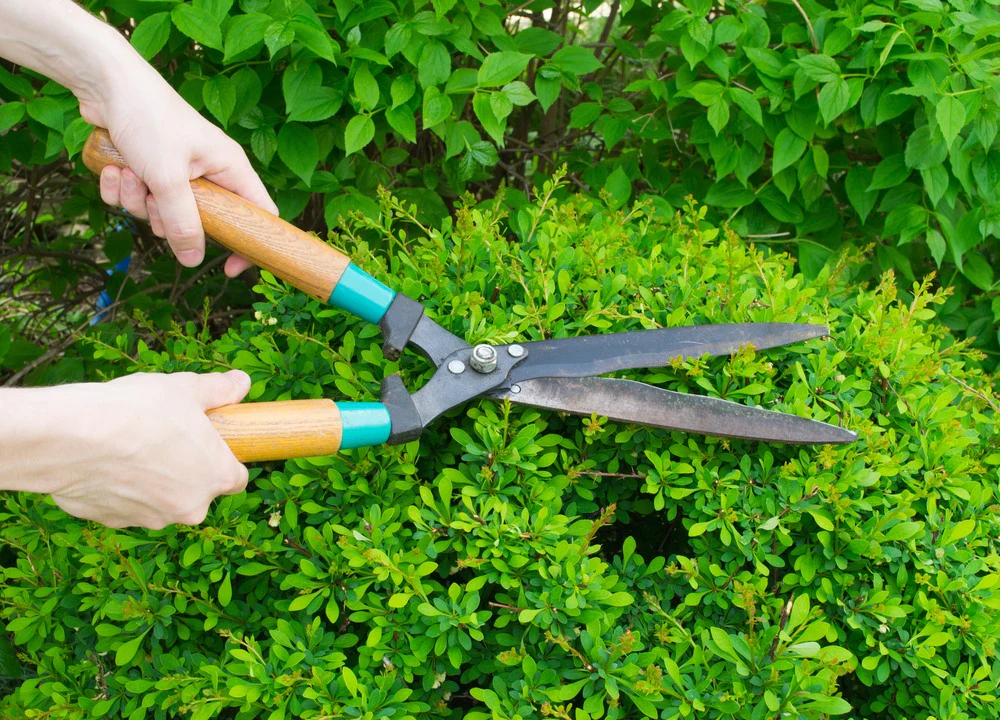
Effective pruning enhances tree structure, promotes vigorous growth, and maximises fruit yield while preventing diseases. To achieve these outcomes, selecting the right tools is critical. This article explores three indispensable pruning tools—bypass secateurs, loppers, and pruning saws—detailing their features, uses, and importance for gardeners. By equipping yourself with these tools, you can ensure your fruit trees, such as apples or pears, remain in optimal condition, whether you are tending a small backyard plot or a larger orchard. For those looking to buy fruit trees, understanding how to maintain them with proper pruning tools is a vital first step. A nursery specialist from Fruit-Trees advises, “Investing in quality pruning tools is as important as choosing healthy trees to plant. Sharp, reliable secateurs and saws ensure clean cuts that promote healing and reduce disease risk, which is essential for any fruit tree, including our apple varieties.
The Importance of Pruning in Fruit Tree Care
Pruning is a cornerstone of fruit tree maintenance, influencing both the health and productivity of trees. By removing dead, damaged, or overcrowded branches, gardeners can improve air circulation and sunlight penetration, which are crucial for fruit development. In the British climate, where damp conditions can foster fungal diseases like leaf curl or brown rot, pruning helps mitigate these risks by ensuring branches are well-spaced. For apple trees, which are popular across the UK, pruning encourages the growth of fruiting spurs—short, stubby branches where apples form. Without regular pruning, trees may produce smaller, lower-quality fruit due to energy being spread across too many branches, much like an unpruned tree in an overgrown orchard.
Pruning also shapes the tree’s structure, making it easier to manage and harvest. For instance, maintaining an open centre or central leader form ensures that sunlight reaches all parts of the tree, enhancing fruit ripening. In the UK, where growing seasons can be short, this is particularly important for achieving a bountiful harvest. Additionally, pruning in late winter or early spring, when trees are dormant, promotes vigorous growth in the new season while minimising stress. Gardeners looking to buy fruit trees should prioritise learning these techniques, as proper pruning from the outset sets the foundation for long-term success.
Bypass Secateurs: The Gardener’s Essential
Bypass secateurs are the most versatile and widely used tool for pruning fruit trees. Their scissor-like action, where two curved blades slide past each other, delivers clean, precise cuts ideal for live branches up to 25mm in diameter. This clean cut is critical for fruit trees, as it minimises damage to the plant tissue, allowing wounds to heal quickly and reducing the risk of infection. In contrast, anvil secateurs, which crush tissue as they cut, are less suitable for live wood and can increase the likelihood of disease in apple or pear trees.
High-quality bypass secateurs, such as the Felco 2, are renowned for their durability and sharpness. Their blades, often made from hardened steel, remain sharp through repeated use and can be resharpened or replaced, extending the tool’s lifespan. Ergonomic handles, typically coated with plastic or rubber, provide comfort during extended pruning sessions, which is essential for gardeners managing multiple trees. For British gardeners, where small-scale orchards or patio fruit trees are common, a compact model like the Okatsune 101 is ideal for those with smaller hands or for tackling intricate cuts on dwarf varieties.
When pruning with secateurs, focus on removing small branches, suckers, or water sprouts—vigorous vertical shoots that sap energy from the tree. For apple trees, thinning out crowded areas and cutting back to a bud or fruiting spur encourages healthy growth. Regular maintenance of secateurs, such as cleaning sap from blades with a solvent like white spirit and sharpening them with a whetstone, ensures consistent performance. Gardeners who buy fruit trees online or from nurseries should invest in a reliable pair of bypass secateurs to maintain their trees’ health from the moment they are planted.
Loppers: Tackling Thicker Branches
For branches too thick for secateurs—typically between 25mm and 50mm in diameter—loppers are the tool of choice. These long-handled pruners provide the leverage needed to cut through tougher wood with minimal effort, making them indispensable for shaping mature fruit trees. Like secateurs, bypass loppers are preferred for live branches, as their clean cuts promote healing and reduce the risk of disease. Brands like ARS and Spear & Jackson offer robust models with telescopic handles, allowing gardeners to reach higher branches without a ladder, a practical feature for larger apple or plum trees.
Loppers excel at structural pruning, such as removing competing leaders or opening up the canopy to improve light exposure. In the British climate, where overcast days can limit sunlight, this is particularly beneficial for ensuring fruit ripens fully. When pruning, aim to cut just outside the branch collar—the raised tissue at the base of a branch—to avoid damaging the tree’s natural healing mechanism. For gardeners who buy fruit trees to establish a small orchard, loppers are essential for maintaining tree shape and preventing overcrowding as the trees mature.
Choosing loppers with high-carbon steel blades ensures durability, while a shock-absorbing bumper reduces strain on the hands and arms during use. Regular maintenance, such as tightening loose bolts and cleaning blades with a disinfectant like Lysol to prevent disease spread, is crucial. For those managing multiple fruit trees, investing in a quality pair of loppers will save time and effort, ensuring clean cuts that support healthy growth.
Pruning Saws: Precision for Larger Cuts
For branches exceeding 50mm in diameter, a pruning saw is necessary. Unlike regular saws, pruning saws are designed with sharp, narrow blades that cut on the pull stroke, providing greater control and reducing the risk of tearing bark. This is particularly important for fruit trees, where jagged cuts can invite pests or diseases like bacterial canker, which is a concern in the UK’s damp conditions. Folding saws, such as the Felco folding saw, are popular for their portability, while pole saws allow gardeners to reach high branches safely from the ground.
Pruning saws are ideal for removing deadwood or large branches that obstruct the tree’s structure. For apple trees, cutting back older, unproductive branches encourages new growth and maintains productivity. When using a pruning saw, make a three-step cut for larger branches: an undercut to prevent bark tearing, a top cut further out to remove the bulk of the branch, and a final cut near the branch collar to tidy the wound. This technique ensures the tree heals properly and remains structurally sound.
Gardeners should select a saw with a replaceable blade to maintain sharpness over time. Cleaning the blade with a disinfectant after each use prevents the spread of diseases, especially when working with multiple trees. For those looking to buy fruit trees for a new garden, a pruning saw is a long-term investment that supports the care of both young and mature trees, ensuring they remain productive for years.
Choosing the Right Tools for Your Needs
Selecting the appropriate pruning tools depends on the size and type of fruit trees in your garden. For small-scale gardeners or those with patio fruit trees, a pair of bypass secateurs may suffice for most tasks. However, for larger orchards or mature trees, combining secateurs, loppers, and a pruning saw ensures you can handle any pruning challenge. Consider the ergonomics of each tool, as prolonged use can strain hands and wrists, particularly for older gardeners or those with limited mobility. Lightweight models with cushioned grips or adjustable handles are ideal for comfort.
Budget is another consideration, but quality should not be compromised. High-end brands like Felco or ARS offer tools that last decades with proper care, making them cost-effective over time.
Pruning Techniques for Optimal Results
Understanding how to use these tools effectively is as important as owning them. Pruning should be done with a clear purpose, whether to improve tree structure, increase fruit yield, or remove diseased wood. For apple trees, the open centre system—where the canopy is kept open to allow light penetration—is popular in the UK for maximising fruit production. Alternatively, the central leader system, which encourages a single, upright trunk, is suited for dwarf or semi-dwarf trees, which are common in smaller gardens.
Timing is critical. Winter pruning, when trees are dormant, promotes vigorous growth, while summer pruning slows growth and is useful for controlling tree size. For most fruit trees, late winter to early spring, before bud break, is the ideal time to prune. Avoid pruning during wet weather to prevent fungal infections, a common issue in Britain’s climate. When making cuts, angle them slightly to allow water runoff, reducing the risk of rot.
For young trees, focus on training cuts to establish a strong framework. Remove competing leaders, inward-growing branches, or those with narrow crotch angles, as these are prone to breaking under the weight of fruit. For mature trees, regular thinning and heading back—cutting part of a branch to a bud—maintains productivity. Gardeners who buy fruit trees should consult resources like the Royal Horticultural Society’s pruning guides or nursery advice to refine their techniques.
Maintaining Your Pruning Tools
Proper tool maintenance extends their lifespan and ensures effective pruning. After each use, clean blades with a cloth soaked in white spirit or a disinfectant like Lysol to remove sap and prevent disease spread. Sharpen blades regularly using a whetstone or diamond file, maintaining a 20- to 30-degree angle for optimal cutting. For secateurs and loppers, check bolts and springs for tightness, and lubricate moving parts with a light oil to prevent rust, especially in the UK’s humid climate.
Store tools in a dry place to avoid corrosion. For pruning saws, consider a protective sheath for the blade to prevent accidental damage. Regular maintenance not only preserves the tools but also ensures clean cuts, which are essential for tree health. Gardeners investing in quality tools will find that proper care reduces the need for frequent replacements, making pruning a more sustainable practice.
Common Pruning Mistakes to Avoid
Even with the best tools, mistakes can hinder tree health. Over-pruning, or removing more than 25% of a tree’s canopy in one season, can stress the tree and reduce fruit production. Conversely, under-pruning can lead to overcrowded branches, reducing light penetration and fruit quality. Always prune with a clear plan, targeting dead, damaged, or crossing branches first.
Another common error is cutting too close to the trunk, damaging the branch collar and slowing healing. Leaving stubs, on the other hand, invites decay. Using dull tools is equally problematic, as it tears bark and increases disease risk. By investing in sharp, high-quality tools and learning proper techniques, gardeners can avoid these pitfalls and ensure their fruit trees thrive.
Building a Productive Orchard
Pruning is just one aspect of creating a successful orchard. Choosing the right trees, planting them correctly, and providing ongoing care are equally important. For British gardeners, selecting varieties suited to the local climate—such as Cox’s Orange Pippin or Bramley for apples—ensures better results. When you buy fruit trees, consider their mature size and pruning needs to plan your orchard effectively.
Regular pruning, combined with proper feeding and pest management, creates a healthy, productive orchard. By equipping yourself with bypass secateurs, loppers, and a pruning saw, you can tackle any pruning task with confidence. These tools, when used correctly, transform pruning from a chore into a rewarding practice that enhances the beauty and bounty of your garden.