
Furniture is more than just objects we use daily. It defines the atmosphere of a home, influences comfort levels, and reflects personal style. Whether you are furnishing a new property, updating your living room, or selecting bespoke pieces, furniture plays a central role in both functionality and aesthetics. This guide explores the different types of furniture, their history, design trends, and practical advice for making the right choices.
The Role of Furniture in Everyday Life
Furniture provides the foundation for how we live. It influences how comfortable we feel, how efficiently we use space, and even how welcoming our homes appear to guests. From ergonomic chairs in home offices to family dining tables that host memorable meals, each piece holds both practical and emotional value. When chosen carefully, furniture balances durability, function, and style.
Historical Evolution of Furniture
The story of furniture stretches back thousands of years, showcasing human creativity and cultural identity.
Early Civilisations
-
Ancient Egyptians crafted ornate wooden chairs and chests decorated with carvings and inlays.
-
Greeks and Romans favoured couches and benches that were symbols of social gatherings.
-
Asian dynasties introduced lacquer finishes and folding screens, blending art with usability.
Medieval to Renaissance
-
Heavy oak tables and carved chairs dominated the medieval period.
-
The Renaissance brought a revival of classical motifs with refined designs, making furniture a status symbol.
Modern Times
-
Industrialisation in the 19th century allowed mass production.
-
The 20th century introduced minimalist, modular, and functional furniture, which continues to influence today’s interiors.
Types of Furniture for Different Spaces
Every space in a home requires furniture that serves specific needs while adding character.
Living Room Furniture
-
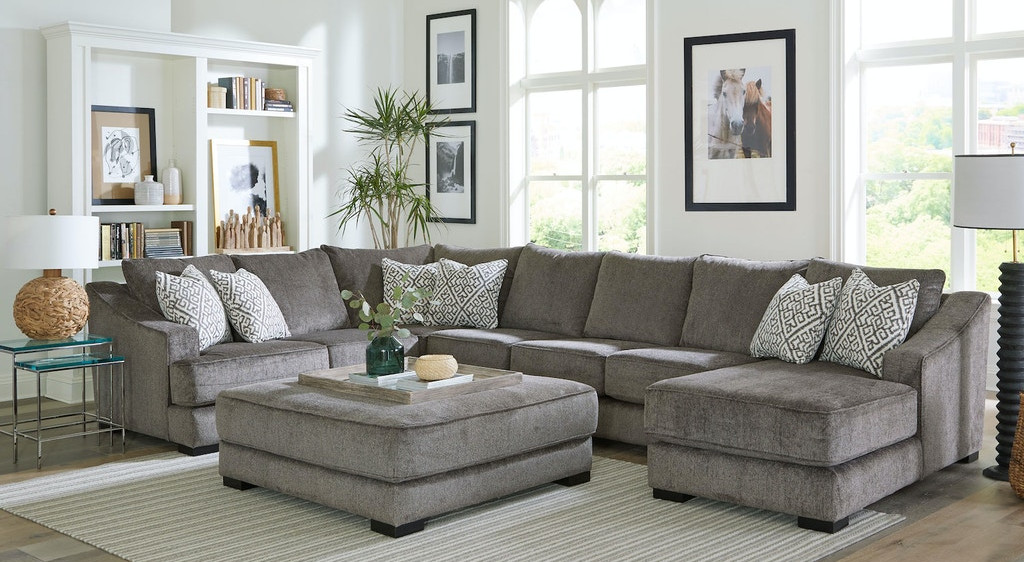
Sofas and Armchairs: The centrepieces of comfort and social interaction.
-
Coffee Tables: Practical surfaces for décor, books, or refreshments.
-
TV Units and Storage: Balance entertainment with organisation.
Bedroom Furniture
-
Beds and Mattresses: The foundation of good sleep.
-
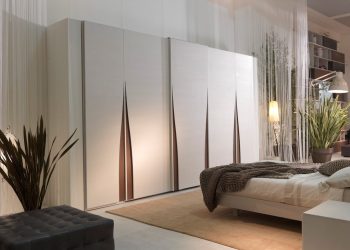
Wardrobes and Dressers: Essential for organisation and personal style.
-
Bedside Tables: Practical storage for lamps, books, and personal items.
Dining Room Furniture
-
Dining Tables: Available in round, rectangular, or extendable designs to suit family size.
-
Chairs: From upholstered comfort to minimal wooden frames.
-
Sideboards: Provide storage and a place to showcase crockery or art.
Home Office Furniture
-
Desks: Adjustable and ergonomic designs improve productivity.
-
Office Chairs: Support posture and reduce strain.
-
Shelving: Keeps documents and supplies accessible.
Outdoor Furniture
-
Garden Sets: Tables and chairs designed to withstand the elements.
-
Loungers and Hammocks: Encourage relaxation in open spaces.
-
Storage Benches: Combine seating with practicality.
Materials Used in Furniture Making
The choice of material affects durability, style, and maintenance needs.
Wood
-
Solid Wood: Oak, walnut, and mahogany provide timeless strength.
-
Engineered Wood: Affordable alternatives like MDF or plywood.
-
Sustainable Options: Bamboo and reclaimed timber appeal to eco-conscious buyers.
Metal
-
Popular for bed frames, dining chairs, and industrial-style designs.
-
Offers durability and a sleek, modern appeal.
Upholstery
-
Fabrics such as cotton, linen, or velvet enhance comfort and aesthetics.
-
Leather is prized for its elegance and longevity.
Glass and Stone
-
Coffee tables and countertops often feature tempered glass or marble for a luxurious touch.
Popular Furniture Styles
Furniture styles evolve with cultural preferences and design movements.
Traditional
Rich woods, detailed carvings, and classic silhouettes.
Modern
Clean lines, functional layouts, and minimal ornamentation.
Scandinavian
Light woods, neutral tones, and a focus on functionality.
Industrial
Raw materials like metal and reclaimed wood, often seen in loft spaces.
Contemporary
An ever-changing style that blends comfort with modern aesthetics.
Factors to Consider When Buying Furniture
Choosing the right piece requires careful thought.
-
Space Measurements: Always measure before buying to ensure proper fit.
-
Lifestyle Needs: Families may prioritise durable, stain-resistant fabrics, while professionals may seek ergonomic office furniture.
-
Budget: Invest in key items like beds and sofas, and save on accessories.
-
Sustainability: Many homeowners now seek responsibly sourced materials.
Furniture and Sustainability
With growing awareness of environmental impact, sustainable furniture is gaining popularity. Buyers increasingly look for:
-
Recycled or reclaimed materials
-
FSC-certified wood
-
Eco-friendly upholstery
-
Longevity over fast, disposable items
Caring for Furniture
Maintenance extends the life of furniture and preserves its beauty.
-
Dust wooden surfaces regularly and polish occasionally.
-
Clean fabric upholstery with mild solutions.
-
Use protective mats for glass and stone surfaces.
-
Keep outdoor furniture covered during harsh weather.
Future Trends in Furniture Design
The future of furniture focuses on innovation and adaptability:
-
Smart Furniture: Desks with built-in charging points or sofas with wireless speakers.
-
Multifunctional Designs: Sofa beds, extendable tables, and modular shelving.
-
Sustainable Innovations: Biodegradable materials and eco-friendly finishes.
FAQs About Furniture
How can I choose the right sofa for a small living room?
Opt for a compact two-seater or a modular sectional that can be rearranged. Light colours and raised legs create an illusion of space.
What type of wood is best for durable furniture?
Hardwoods such as oak, teak, and mahogany are excellent for long-lasting furniture. They resist wear and maintain their finish for decades.
Are fabric or leather chairs better for dining rooms?
Fabric chairs are comfortable and available in many colours, while leather chairs are easier to clean and maintain, making them ideal for families with children.
What is the difference between modern and contemporary furniture?
Modern furniture follows the design principles of the mid-20th century with clean lines and minimalism. Contemporary furniture refers to current design trends and often incorporates new materials and technologies.
How do I maintain outdoor furniture in the UK climate?
Choose weather-resistant materials like teak, metal, or rattan. Cover items during rain and winter months, and apply protective treatments to wood.
Can furniture increase property value?
Yes, well-chosen furniture enhances interior appeal and can influence buyers’ perception of space, comfort, and lifestyle during property viewings.