
Understanding Garden Rooms
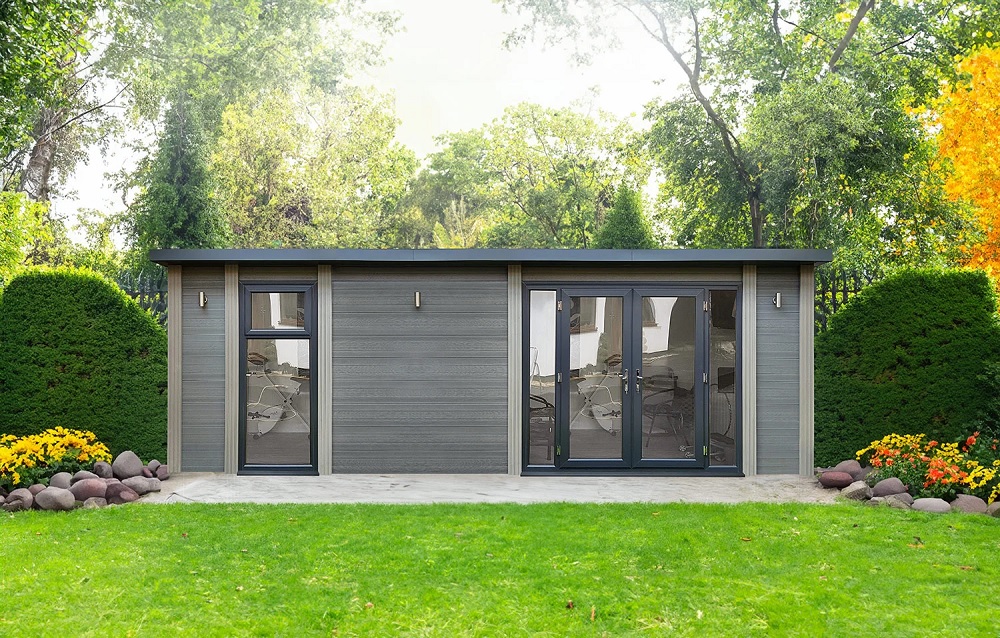
Garden rooms, often described as versatile extensions of your living space, are structures designed to blend seamlessly with your outdoor environment. These spaces typically feature large windows that invite natural light and stunning views of your garden, creating an atmosphere that is both tranquil and inspiring. Unlike traditional extensions that are often built onto the main structure of a home, garden rooms are standalone buildings that can be customised to suit a variety of needs, from home offices to cosy retreats. Their design reflects a growing trend towards bringing the outdoors in, allowing homeowners to enjoy the beauty of their gardens year-round.
The construction of garden rooms can vary widely, from simple wooden sheds to high-end structures with insulation, electricity, and plumbing. This flexibility makes garden rooms an appealing option for many homeowners, as they can be tailored to fit individual tastes and requirements. Typically, these rooms are built using materials that complement the natural surroundings, such as timber and glass, which not only enhances their aesthetic appeal but also helps them blend into the landscape. This harmonious integration with nature is key to the garden room’s charm, making it a favourite among those looking to create a peaceful escape right in their backyard.
Moreover, garden rooms can serve as a blank canvas for personal expression. Whether you prefer a modern minimalist design or a more traditional rustic look, the possibilities are endless. Homeowners can choose from various styles, colours, and finishes to create a space that reflects their personality and complements their existing home. This adaptability not only adds to the functional benefits of a garden room but also allows it to become a unique feature of your property, showcasing your style while enhancing the overall aesthetic of your outdoor space.
Benefits of Adding a Garden Room to Your Property
Incorporating a garden room into your property offers a multitude of benefits that extend beyond mere aesthetics. One of the primary advantages is the significant increase in property value. A well-designed garden room can be an attractive selling point for prospective buyers, differentiating your home in a competitive market. As more people seek additional living space without the hassle of extensive renovations, a garden room can serve as a desirable feature that enhances your home’s appeal and marketability.
Moreover, garden rooms provide a unique opportunity to expand your living space without the need for planning permission in many cases. They often fall under permitted development rules, meaning homeowners can add these structures with fewer hurdles compared to traditional extensions. This ease of construction allows for quicker realisation of your vision, providing immediate benefits such as extra storage, a dedicated workspace, or a personal retreat without the lengthy and often stressful process of home renovations.
Additionally, luxury garden rooms in Lancashire or across the UK can significantly enhance your quality of life. The ability to create a personal sanctuary away from the hustle and bustle of daily life is invaluable in today’s fast-paced world. Whether you desire a peaceful spot for meditation, a vibrant studio for artistic pursuits, or a functional office space that promotes productivity, a garden room can cater to these needs. Surrounded by nature, you are more likely to experience reduced stress levels, improved mental clarity, and a greater sense of well-being, making it a worthwhile investment for your health and happiness.
Garden Room vs. Traditional Extension: Pros and Cons
When considering whether to add a garden room or opt for a traditional extension, it’s essential to weigh the pros and cons of each option. Garden rooms often boast a quicker installation time, with many structures being prefabricated and ready for assembly. This means less disruption to your home and daily life. Additionally, they can typically be built without the need for extensive groundwork, which can save both time and money. In contrast, traditional extensions often require significant construction work, which can take weeks or even months to complete, leading to noise, dust, and general upheaval in your home.
Another major consideration is cost. Generally, garden rooms are more affordable than traditional extensions. The reduced labour and material costs associated with constructing a garden room can make it an appealing choice for those looking to expand their living space on a budget. Furthermore, since garden rooms are often considered outbuildings, they may not require the same level of investment in terms of structural integrity and compliance with building regulations, allowing for savings that can be redirected towards enhancing the room’s interior.
However, traditional home extensions do offer certain advantages that might be appealing to some homeowners. For instance, they provide a more permanent structure that is inherently connected to the main house. This can create a seamless flow between indoor and outdoor spaces, which some homeowners may prefer. Additionally, traditional extensions can often be designed to match the existing architecture of a home closely, enhancing its overall aesthetic and potentially increasing its value. Ultimately, the choice between a garden room and a traditional extension will depend on individual priorities, budget, and lifestyle needs.
Designing Your Dream Garden Room
Designing your dream garden room involves careful consideration of various factors that will influence its functionality and aesthetic appeal. First and foremost, think about the purpose of the room. Will it serve as a home office, a creative studio, a gym, or a relaxation space? Understanding the primary function will guide decisions regarding layout, furnishings, and even the overall size of the structure. For instance, if the space will be used for work, you may want to incorporate ample storage solutions and a desk, whereas a meditation room may benefit from open space and minimal decor.
In addition to functionality, the design should reflect your personal style and harmonise with the surrounding landscape. Consider materials that complement your home and garden, such as natural wood, brick, or sleek glass. The choice of colours and finishes can also play a significant role in setting the mood of the space. Soft, calming hues might be ideal for a relaxation area, while bright, vibrant colours could spark creativity in an art studio. Incorporating elements like biophilic design, which emphasises the connection between nature and indoor spaces, can further enhance the ambiance, making your garden room feel like an extension of the outdoor environment.
Another critical aspect to consider is the layout and orientation of the garden room. Positioning the structure to maximise natural light and views is essential for creating an inviting atmosphere. Strategically placing windows and doors can help frame beautiful garden vistas, while skylights can bring in additional daylight. Furthermore, think about how the garden room will connect with the rest of your property. Creating pathways or outdoor seating areas can enhance the overall experience, making it easy to move between your home and this new oasis while encouraging outdoor living.
Garden Room Interior Ideas
When it comes to the interior of your garden room, the options are virtually limitless, allowing you to create a space that is both functional and aesthetically pleasing. One popular approach is to adopt a minimalist design, focusing on clean lines and uncluttered spaces that promote relaxation and creativity. Incorporating multifunctional furniture, such as a fold-out desk or a sofa bed, can maximise the use of space while maintaining a sense of openness. Neutral tones combined with natural materials can create a calming atmosphere that fosters productivity and mindfulness.
Alternatively, you may want to create a more vibrant and eclectic interior that reflects your personality. Incorporating bold colours, unique artwork, and vintage furniture can infuse the space with character and charm. Layering different textures, such as soft rugs, woven baskets, and plush cushions, can create a warm and inviting environment, perfect for relaxation or social gatherings. Plants can also play a crucial role in enhancing the interior, bringing a touch of nature indoors while improving air quality and creating a tranquil atmosphere.
For those looking to create a dedicated workspace within their garden room, it’s essential to consider the practical aspects of design. Ergonomic furniture, such as adjustable chairs and height-adjustable desks, can promote comfort and productivity during long hours of work. Incorporating ample lighting options, including task lamps and ambient lighting, can ensure the space is well-lit and conducive to focus. Additionally, personal touches, such as motivational quotes or photographs, can make the workspace feel more inviting and personalised, helping to inspire creativity and drive.
Whether you’re looking for a new garden room in Bolton or garden office room in Manchester, there are a number of quality home improvement specialists that can create your dream garden room.
Utilising Garden Rooms for Different Purposes
The versatility of garden rooms makes them ideal for a wide range of purposes, catering to the diverse needs of homeowners. One popular option is to transform the space into a home office. With remote work becoming increasingly common, having a dedicated workspace away from the distractions of home can significantly enhance productivity. By equipping the garden room with necessary technology, comfortable furniture, and inspiring decor, you can create an environment that fosters focus and creativity, all while enjoying the calming presence of nature just outside your window.
Another fantastic use for garden rooms is as a creative studio. Whether you are an artist, writer, or musician, having a dedicated space for your creative pursuits can significantly enhance your work. The tranquillity of a garden room can provide the perfect backdrop for inspiration, allowing you to immerse yourself in your craft without interruptions. By personalising the interior with art supplies, musical instruments, or writing desks, you can curate an environment that encourages creativity and self-expression.
Additionally, garden rooms can serve as multifunctional spaces for relaxation, entertainment, or family gatherings. Consider transforming your garden room into a cosy lounge or a games room, complete with comfortable seating and entertainment options. This space can act as a retreat for family members, providing a place to unwind after a long day or host gatherings with friends. By incorporating elements such as a small kitchenette, a bar, or even a home cinema setup, your garden room can become the ultimate hub for leisure and enjoyment, enhancing your lifestyle and creating memorable experiences.
Planning Permission and Building Regulations for Garden Rooms
One of the first considerations when planning to build a garden room is understanding the necessary planning permission and building regulations. In many cases, garden rooms can be constructed under permitted development rights, which means that formal planning permission is not required, provided certain conditions are met. For instance, the garden room should be situated within the boundaries of your property and should not exceed a specific size or height. These regulations can vary significantly depending on local council rules, so it’s essential to check with your local planning authority to ensure compliance.
Even if your garden room falls under permitted development, it must still adhere to building regulations. This includes guidelines regarding structural integrity, insulation, and electrical safety. Ensuring that your garden room meets these standards is crucial for both safety and comfort. It may be advisable to consult with professionals, such as architects or builders, who can provide guidance on the necessary requirements and help you navigate the process smoothly. By being well-informed and proactive, you can avoid potential setbacks and ensure that your garden room is built to last.
If your plans exceed the limitations set by permitted development rights, you may need to apply for full planning permission. This process can be more complex and time-consuming, but it allows for greater flexibility in terms of design and size. Submitting a well-prepared application that clearly outlines your intentions and how the garden room will enhance your property can increase your chances of approval. Engaging with your local community and addressing any concerns from neighbours can also facilitate a smoother planning process, ensuring that your vision for a garden room becomes a reality.
Your local home improvement specialist can help you with any planning permission and building regulations.
Garden Room Maintenance and Upkeep
Maintaining your garden room is essential to ensure its longevity and continued aesthetic appeal. One of the most critical aspects of upkeep involves regular cleaning. Dust and dirt can accumulate quickly, particularly if the room is used frequently. Depending on the materials used in the construction, routine cleaning may involve wiping down surfaces, vacuuming floors, and ensuring that windows are clean to maximise natural light. Additionally, if the garden room features any outdoor elements, such as decking or furniture, these should be cleaned and treated regularly to prevent deterioration from the weather.
Another important consideration is the maintenance of the structural integrity of the garden room. This may involve periodic inspections of the roof, walls, and foundation to check for any signs of wear and tear. If your garden room is made from wood, it’s essential to apply weatherproofing treatments every few years to protect against rot and insect damage. Similarly, ensuring that any windows and doors are properly sealed will help maintain energy efficiency and prevent drafts, contributing to a comfortable environment regardless of the season.
Finally, if your garden room is used for specific functions, such as a home office or creative studio, maintaining the interior is equally important. This may involve organising and decluttering the space to promote productivity or ensuring that any equipment, such as computers or art supplies, is well cared for. By implementing a regular maintenance schedule and addressing issues promptly, you can keep your garden room in excellent condition, ensuring it remains a valuable and enjoyable part of your home for years to come.
Eco-Friendly Aspects of Garden Rooms
In an era where sustainability is increasingly vital, garden rooms offer several eco-friendly benefits that make them an attractive option for environmentally conscious homeowners. One of the primary advantages is the potential for energy efficiency. With the right insulation and materials, garden rooms can maintain a comfortable temperature year-round, reducing the need for heating and cooling. This not only lowers energy consumption but can also lead to significant savings on utility bills, making it an economically sound choice as well.
Additionally, many garden rooms are constructed using sustainable materials, such as reclaimed wood or eco-friendly insulation. Choosing environmentally friendly products not only minimises your carbon footprint but also contributes to a healthier indoor environment. Many modern garden room designs also include features such as solar panels, rainwater harvesting systems, and green roofs, further enhancing their sustainability. By incorporating these elements, you can create a space that aligns with your values while reducing your impact on the planet.
Moreover, the presence of a garden room can encourage green living by promoting outdoor activities and connection with nature. By creating a space that is surrounded by greenery, you are more likely to spend time outdoors, which can contribute to a more sustainable lifestyle. The potential for growing plants, herbs, or even vegetables within or around the garden room can further enhance your commitment to sustainability, providing you with fresh produce while reducing the need for store-bought goods. In this way, a garden room can serve as a catalyst for a more eco-conscious lifestyle, blending functionality with environmental responsibility.
Enhancing Your Lifestyle with a Garden Room
In conclusion, the incorporation of a garden room into your property presents an array of benefits that extend far beyond mere aesthetics. From increasing property value and providing valuable additional space to creating a serene sanctuary for relaxation and creativity, garden rooms offer a versatile solution for homeowners looking to enhance their living environment. The ability to tailor the design to reflect personal preferences and needs further solidifies their appeal, allowing for a unique blend of nature and architecture that can transform your outdoor space into a true oasis.
Moreover, the eco-friendly aspects of garden rooms align with the growing emphasis on sustainability, making them a responsible choice for those who wish to reduce their environmental impact. With the potential for energy efficiency and the use of sustainable materials, garden rooms can contribute positively to both your lifestyle and the planet. As more individuals seek to create harmonious connections with nature amidst the demands of modern life, garden rooms stand as a testament to the beauty and utility of outdoor living spaces.
Ultimately, whether you envision a peaceful retreat, a functional workspace, or a vibrant entertainment hub, a garden room can fulfil your desires and elevate your home. Embrace the opportunity to create a personal sanctuary that reflects your lifestyle and values, and transform your garden into an enchanting space that nurtures both your well-being and your creativity. The journey to enhancing your lifestyle begins right at your doorstep, and a garden room may just be the key to unlocking the full potential of your home.