
Going to solar power is becoming more appealing as more homes want to reduce their ecological footprint and save money on electricity. To start the installation procedure, you must ascertain if your house is a good candidate for solar panels. Selecting a solar panel system that fulfils your energy demands, fits your budget, and optimises your available space requires careful consideration of several elements, including the orientation and structural soundness of your roof. With careful thought and preparation, the switch to sustainable energy may go smoothly and successfully.
A guide to home solar panel selection
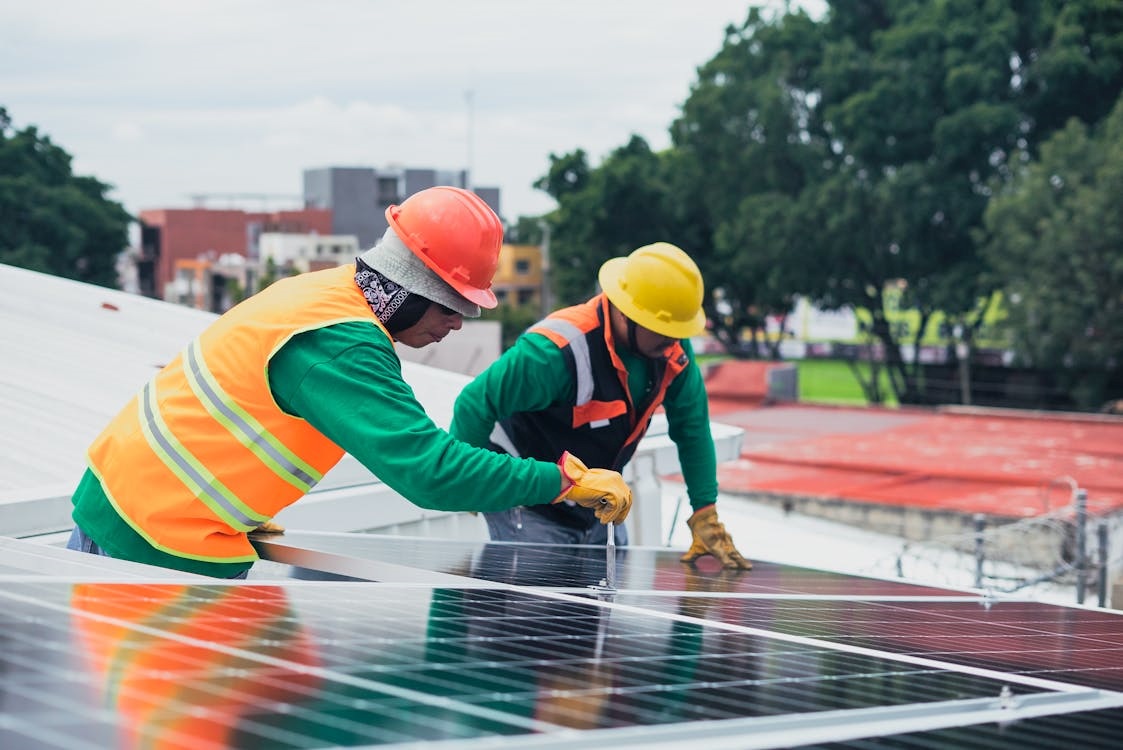
Before installing solar panels on your house, its potential must be assessed. Compute its angle, orientation, and shade to find out where on the roof will get the maximum sun exposure. To make sure your roof can support the weight of the panels, also take structural integrity into account. Talking with knowledgeable solar panel installers Doncaster can provide important insights into your house’s compatibility and guide your installation choices.
Choose a home solar panel system
Select a solar panel system after weighing the space available in your home, budget, and energy requirements. Find out if your geography and electricity usage make sense for an off-grid, hybrid, or grid-tied solution. To select a system that meets your needs, compare various panel types, efficiency ratings, and warranties. Talking with solar professionals will enable you to sort through the possibilities and choose the best system for your needs.
Setting up your house for solar panel installation
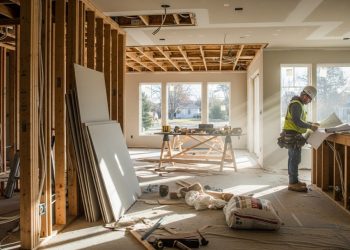
Installing solar panels should involve a few steps to ensure everything goes as planned. First, clean up any debris or obstructions from the installation area to provide the installers with easy access. Then, check the condition and potential obstacles on your roof. Another smart move to reduce any possible inconvenience is to let your neighbours know about the impending repair. The way your home is designed might make an easy installation and a smooth transition to solar energy feasible.
After installation, care and monitoring
Once your solar panels are operational, it is crucial to keep them operational. To ensure that things stay tidy and working, create a regular maintenance program. Look for debris, dirt, or anything else that might obstruct sunlight and often lessen the panels’ efficacy. Track your energy output levels to keep an eye on system performance and identify problems early. Your solar panel investment may be maximised, and your energy costs can eventually be lowered if you keep up with monitoring and maintenance.
Conclusion
Critical stages in switching to solar energy include selecting the appropriate solar panel system, getting your house ready for installation, and carrying out post-installation maintenance. Homeowners who properly assess these components and pay the necessary maintenance costs may enjoy peak performance and long-term energy savings from a solar panel system. Promoting solar energy not only helps the environment but also provides a dependable and fairly priced source of electricity for your home. Ultimately, embracing solar energy contributes to a sustainable future while enhancing the value of your property.