
Roofing is one of the most crucial aspects of any property, serving as the first line of defence against weather, heat loss, and external damage. Whether you own a residential home, a commercial property, or a historical building, understanding roofing options, maintenance needs, and design considerations can help extend the life of your structure while enhancing its value. In this guide, we will cover everything from roofing materials to energy efficiency and long-term care.
Importance of Roofing
The roof is not just a covering; it is a protective shield that preserves the integrity of a property. A strong and durable roof prevents leaks, improves insulation, and contributes to the overall curb appeal of a home or building. Regular inspections and quality materials play a vital role in avoiding costly repairs in the long run.
Common Roofing Materials
Different buildings require different roofing solutions. Choosing the right material depends on climate, budget, architectural style, and intended lifespan.
Slate Roofing
-
Durability: Can last more than a century with proper care.
-
Appearance: Offers a classic, elegant look, often seen in traditional UK architecture.
-
Considerations: Heavier than other options and may require reinforced structures.
Clay and Concrete Tiles
-
Strength: Resistant to fire and harsh weather conditions.
-
Aesthetic: Available in various shapes and colours, ideal for Mediterranean-style homes.
-
Drawbacks: Can be fragile under pressure, and installation requires skilled labour.
Asphalt Shingles
-
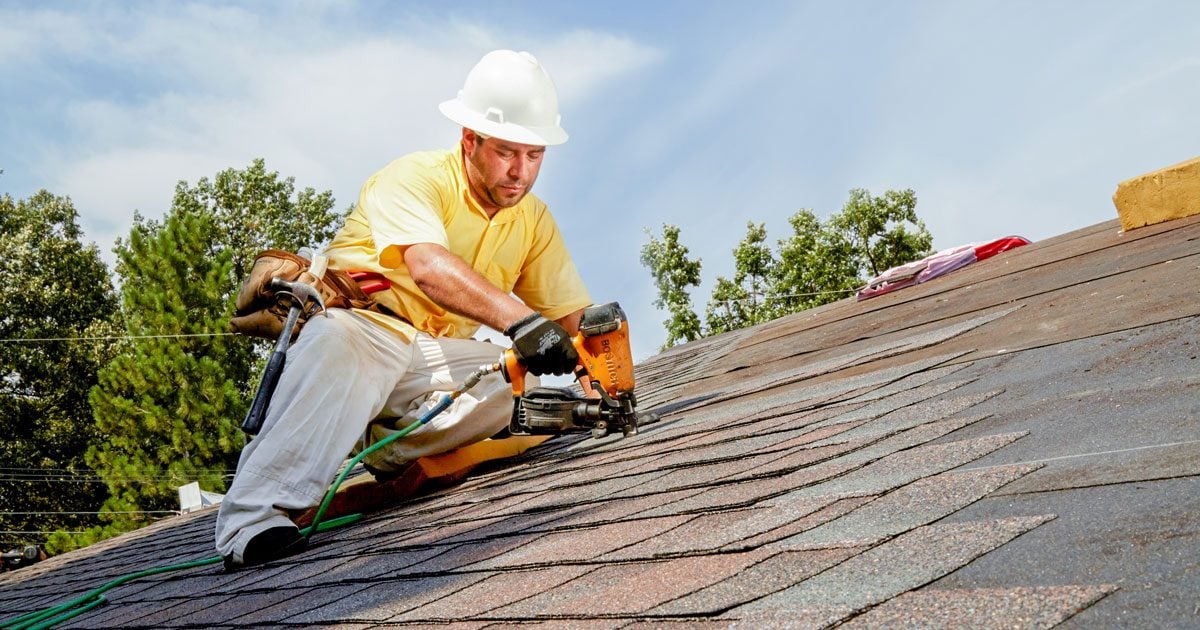
Affordability: Cost-effective compared to other materials.
-
Versatility: Wide range of colours and styles.
-
Lifespan: Typically lasts 15–30 years, making it suitable for mid-range budgets.
Metal Roofing
-
Efficiency: Reflects sunlight, reducing energy bills.
-
Durability: Can last 40–70 years with minimal maintenance.
-
Sustainability: Often made from recyclable materials.
Green Roofing
-
Eco-Friendly: Covered with vegetation, contributing to better insulation and stormwater management.
-
Urban Benefit: Helps reduce the heat island effect in cities.
-
Maintenance: Requires regular upkeep and proper waterproofing layers.
Key Considerations Before Choosing a Roof
When deciding on the right roofing solution, consider the following factors:
-
Climate: Areas with heavy rainfall may benefit from slate or metal, while sunnier climates suit reflective materials.
-
Budget: Balance initial installation costs with long-term savings.
-
Aesthetics: The roof should complement the architectural design of the property.
-
Longevity: Some materials, while costly upfront, may outlast cheaper options.
-
Regulations: Always check local building codes and planning permissions, especially for listed buildings.
The Role of Roofing in Energy Efficiency
Modern roofing goes beyond protection and design. It also influences energy consumption. For example:
-
Light-coloured or reflective materials help reduce cooling costs.
-
Proper insulation beneath the roof prevents heat loss in winter.
-
Green roofs provide natural insulation, lowering energy use year-round.
Roofing Installation and Best Practices
A well-installed roof ensures maximum performance and longevity. Key practices include:
-
Professional Installation: Hiring experienced contractors prevents common errors.
-
Ventilation: Adequate airflow in the roof space reduces moisture build-up and mould.
-
Underlayment: A moisture barrier beneath tiles or shingles adds extra protection.
-
Flashing: Proper flashing around chimneys, skylights, and joints prevents leaks.
Maintenance Tips for Long-Lasting Roofs
A proactive approach to roof care can save significant expenses. Essential steps include:
-
Regular Inspections: Twice a year, ideally in spring and autumn.
-
Clearing Debris: Leaves, moss, and dirt can trap moisture and cause damage.
-
Gutter Care: Blocked gutters increase water pressure and lead to leaks.
-
Repairing Damage Early: Address cracked tiles, lifted shingles, or rust spots promptly.
Roofing in Heritage and Period Properties
Listed buildings and period homes often require specialist roofing materials such as slate, lead, or handmade clay tiles. These not only preserve historical aesthetics but also comply with conservation requirements. Engaging experts in heritage roofing ensures both authenticity and durability.
The Future of Roofing
The roofing industry is evolving with technology and sustainability at its core:
-
Solar Roofing: Integration of photovoltaic panels directly into roofing tiles.
-
Smart Roofing: Advanced systems that monitor temperature, leaks, and structural integrity.
-
Recycled Materials: Growing popularity of eco-friendly materials that reduce environmental impact.
Choosing the Right Roofing Partner
Selecting a trusted roofing contractor is just as important as choosing the material itself. Look for:
-
Proven track record with local projects
-
Clear warranties and guarantees
-
Compliance with safety standards
-
Transparent pricing and detailed quotations
Frequently Asked Questions
How often should a roof be inspected in the UK?
Ideally, roofs should be inspected twice a year, and after extreme weather such as storms or heavy snowfall.
What is the average lifespan of a roof?
Depending on the material, roofs can last anywhere from 20 years (asphalt shingles) to over 100 years (slate). Regular maintenance directly influences lifespan.
Can a roof replacement improve energy efficiency?
Yes, modern roofing systems with insulation, reflective coatings, or green layers significantly improve a property’s energy performance.
Are flat roofs reliable in rainy climates?
Flat roofs can be reliable if properly designed with adequate drainage systems and waterproof membranes. However, they do require more frequent maintenance.
What is the best roofing material for eco-friendly homes?
Green roofing and solar-integrated systems are the most sustainable choices, offering both environmental benefits and energy savings.
Is roof maintenance covered by home insurance?
Home insurance generally covers sudden damage from storms or accidents, but not wear and tear due to lack of maintenance.