
Flooring plays a pivotal role in shaping the look, comfort, and functionality of any space. It is not just a surface to walk on but also a key design element that affects the overall atmosphere and usability of a room. When choosing the right flooring, factors such as durability, maintenance, aesthetics, and budget must be considered carefully. With so many materials, finishes, and installation options available, making an informed choice ensures long-term value and satisfaction. In this guide, we will explore everything you need to know about flooring, from types and benefits to installation and maintenance.
The Importance of Choosing the Right Flooring
Flooring sets the foundation for a room’s style and practical use. The right choice can make a small room feel spacious, add warmth to a large hall, or provide resilience in high-traffic areas. It also influences property value and energy efficiency. For instance, wooden flooring can add timeless charm, while tiles offer low-maintenance practicality. Before selecting, it is important to understand your priorities—whether that’s comfort underfoot, ease of cleaning, or visual appeal.
Popular Types of Flooring
Hardwood Flooring
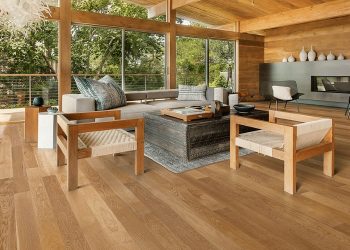
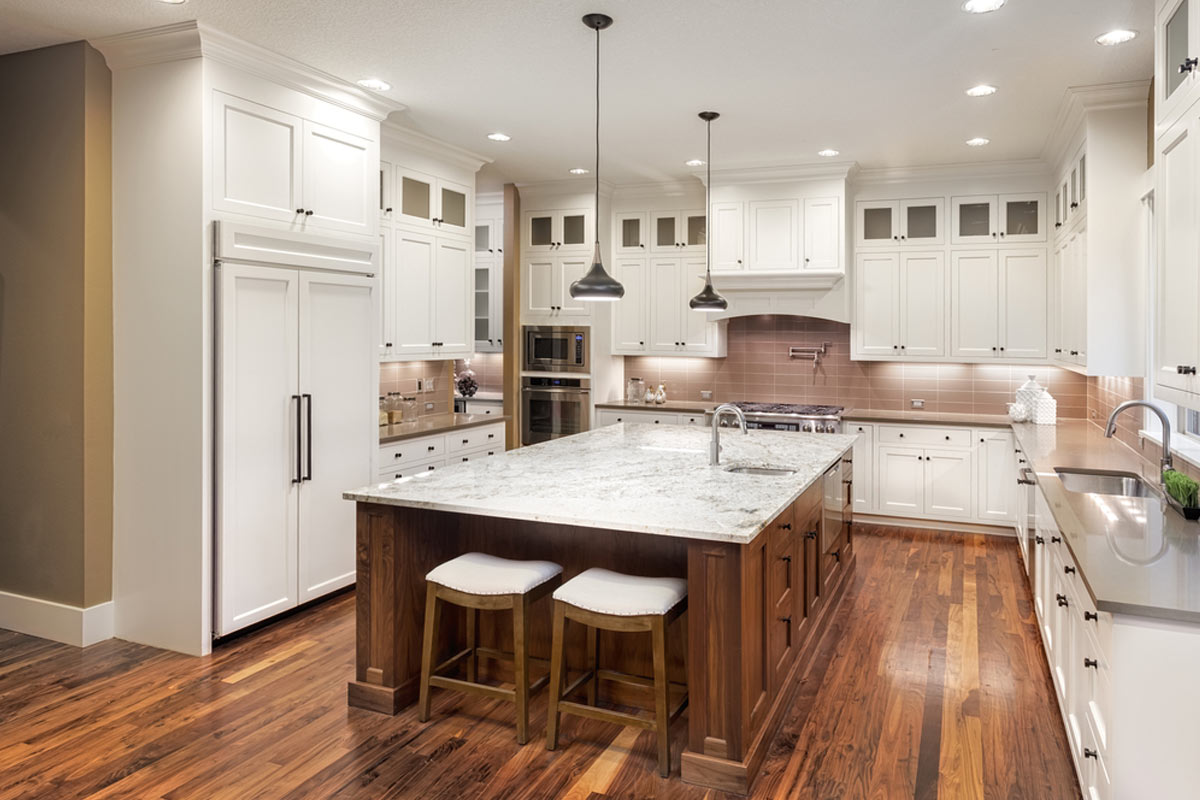
Hardwood is one of the most traditional and popular flooring materials. It is crafted from solid wood planks such as oak, walnut, or maple. Its timeless aesthetic makes it suitable for both classic and contemporary interiors.
Benefits of hardwood flooring:
-
Long-lasting with proper care
-
Can be sanded and refinished multiple times
-
Adds natural warmth and beauty
-
Increases property value
Laminate Flooring
Laminate is an affordable alternative that mimics wood, stone, or tile finishes. It is made from composite wood pressed together with a photographic layer on top.
Why homeowners choose laminate:
-
Budget-friendly
-
Resistant to scratches
-
Easy to install with click-lock systems
-
Wide variety of designs
Vinyl Flooring
Vinyl has become increasingly popular due to its durability and versatility. Available in sheets, tiles, or planks, it offers realistic finishes that resemble wood or stone.
Advantages of vinyl flooring:
-
Water-resistant and ideal for kitchens and bathrooms
-
Comfortable underfoot
-
Wide range of colours and textures
-
Easy maintenance
Tile Flooring
Tiles remain a top choice for areas prone to moisture, such as bathrooms, kitchens, and entryways. They are usually made from ceramic, porcelain, or natural stone.
Key benefits:
-
Highly durable
-
Easy to clean
-
Wide design possibilities
-
Resistant to water and stains
Carpet Flooring
Carpets add softness, insulation, and a cosy feel to bedrooms and living areas. They are available in various textures, fibres, and colours.
Advantages of carpet flooring:
-
Comfortable and warm
-
Reduces noise
-
Provides insulation
-
Safe for children and elderly
Concrete Flooring
Once confined to industrial spaces, polished concrete has made its way into modern homes and offices. Its minimalist appeal and toughness make it highly desirable.
Why concrete works well:
-
Extremely durable
-
Low-maintenance
-
Can be polished or stained for a sleek finish
-
Eco-friendly option if existing subfloor is used
Factors to Consider Before Choosing Flooring
Selecting the right flooring involves balancing design and function. Consider the following aspects:
-
Room function: Bathrooms and kitchens require moisture-resistant flooring, while bedrooms may benefit from carpets.
-
Durability: High-traffic areas like hallways need tough surfaces such as tile or vinyl.
-
Budget: Costs vary widely, from affordable laminate to premium hardwood.
-
Maintenance: Some options require sealing, polishing, or refinishing, while others need minimal care.
-
Lifestyle: Households with pets or children may require scratch-resistant and easy-to-clean materials.
Installation Options
Professional Installation
Hiring a professional ensures proper fitting, which extends the life of your flooring. Experts can handle subfloor preparation, cutting, and alignment with precision.
DIY Installation
Laminate and vinyl planks with click-lock systems are popular for DIY enthusiasts. However, incorrect installation can lead to gaps, uneven surfaces, or reduced durability.
Subfloor Preparation
Before installation, subfloors must be level, dry, and clean. A poor foundation can compromise the look and longevity of the flooring.
Maintenance and Care Tips
Different types of flooring require specific care routines:
-
Hardwood: Regular sweeping and occasional refinishing keep it in top shape.
-
Laminate: Avoid excess water; clean with a damp cloth and gentle cleaner.
-
Vinyl: Mop with mild detergent for shine and hygiene.
-
Tile: Clean grout lines regularly to prevent discolouration.
-
Carpet: Vacuum often and use professional deep cleaning annually.
-
Concrete: Seal periodically to maintain polish and resist stains.
Flooring Trends and Styles
Today’s flooring trends focus on sustainability, natural aesthetics, and innovative finishes:
-
Eco-friendly materials: Bamboo, cork, and reclaimed wood are gaining popularity.
-
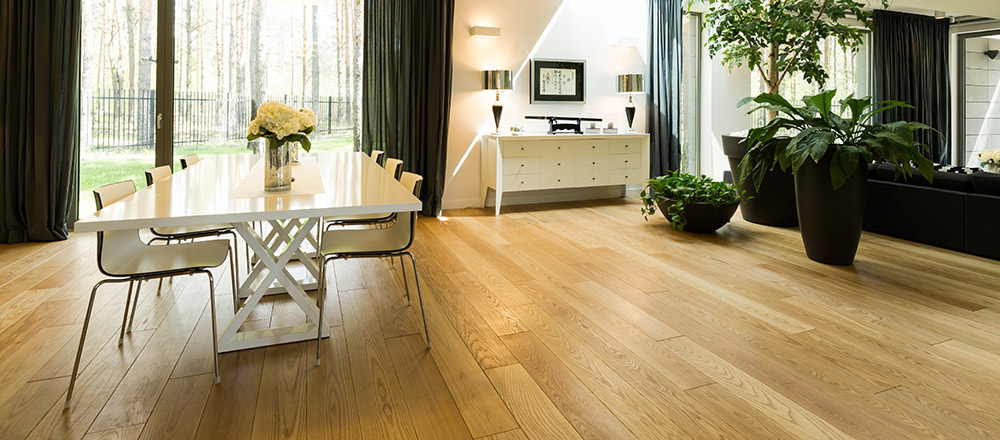
Wide planks: Broader boards give a spacious and modern feel.
-
Textured finishes: Hand-scraped or distressed looks add character.
-
Hybrid floors: Combining different materials for unique designs.
-
Underfloor heating: Works particularly well with tiles and engineered wood.
Flooring for Commercial Spaces
Businesses require flooring that can withstand heavy use while maintaining an attractive appearance. Options such as vinyl, tile, and polished concrete are preferred in retail, offices, and hospitality settings due to their durability and easy maintenance.
Frequently Asked Questions
What type of flooring is best for homes with pets?
Vinyl and laminate are excellent for pet owners as they are scratch-resistant and easy to clean.
Can hardwood be installed in a bathroom?
Solid hardwood is not recommended in moisture-prone areas, but engineered wood with water-resistant layers can be considered.
How often should carpets be replaced?
On average, carpets last between 7 to 10 years, depending on foot traffic and maintenance.
Is underfloor heating compatible with all flooring types?
It works well with tile, stone, and engineered wood, but may not be suitable for solid hardwood or thick carpets.
What flooring adds the most value to a property?
Hardwood generally increases property value the most, but high-quality tile and modern vinyl also attract buyers.
Can old flooring be recycled?
Yes, many materials such as wood and carpet can be recycled or repurposed, reducing environmental impact.