

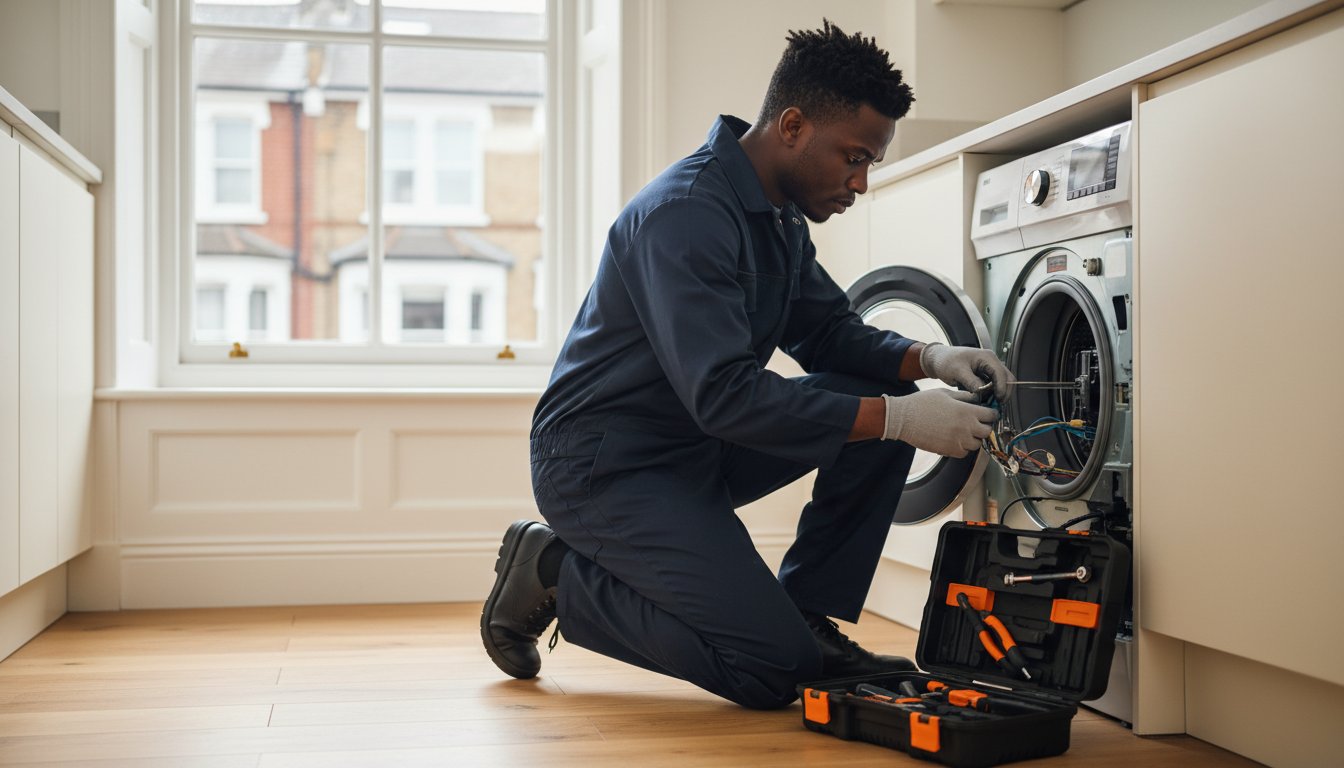
Replacing a broken appliance can feel like the quickest fix. For many UK households, repairing is often the smarter option, especially when the problem comes down to one worn part.
A repair-first approach saves money, reduces waste, and keeps your kitchen and utility room working as intended. It also builds confidence. Once you have replaced a simple component successfully, the next small repair feels far less intimidating.
Why repairing beats replacing
Lower costs with fewer surprises
Many appliances fail in predictable ways. A door seal perishes, a filter clogs, a pump wears out, or a latch stops engaging. Replacing a single part is usually far cheaper than buying a new machine, and it avoids delivery fees, installation costs, and disposal charges.
A more sustainable home routine
Appliances are heavy, complex products. Replacing them too quickly increases e-waste and the demand for new manufacturing and transport. Extending the life of what you already own is one of the simplest sustainability wins at home.
Less disruption to your space
A new appliance is not always a like-for-like fit. Dimensions change, connections differ, and integrated units can be especially awkward. Repairing helps you keep your existing layout, cabinetry, and plumbing setup.
Common issues you can diagnose quickly
You do not need to be an engineer to start troubleshooting. Begin with the basics, then decide whether a replacement part is likely needed.
- Washing machine leak repair often starts with checking the door seal for splits and inspecting inlet and drain hoses for loose connections.
- If a dishwasher is not draining, clean the filter, check the drain hose for kinks, and remove visible debris from the sump area if it is accessible.
- If a fridge feels warm, make sure vents are not blocked and check whether the door gasket is warped or brittle, which can indicate a seal replacement.
Cleaning is part of repair. Rinsing filters and wiping seals takes minutes and can prevent repeat faults.
A safe DIY repair checklist
- Power down properly. Unplug the appliance. For washers and dishwashers, turn off the water supply.
- Find the model number. Look inside the door frame, behind a flap, or on the back panel.
- Take photos as you go. They help you reconnect wires, clips, and hoses correctly.
- Use the right tools. A screwdriver set, pliers, and a torch cover many beginner jobs.
- Know when to stop. Gas appliances, sealed refrigeration systems, and complex electrical faults should be handled by qualified professionals.
Choosing the correct spare part
The most common DIY mistake is ordering a part that does not match your exact model. Even within the same brand, small design changes can affect compatibility.
A good parts supplier should let you search by appliance type, brand, and model number, and should list clear product details so you can compare what you remove with what you order.
With your model number to hand, Fixpart can help you narrow down the correct component, whether you need a replacement seal, a pump, or a fresh set of filters.
Small repairs add up
Repairing does not have to be complicated. Start with one manageable job, keep notes on what you changed, and build a simple maintenance routine around cleaning filters and checking seals. Over time, these habits can extend appliance life, reduce household waste, and keep your home running smoothly.