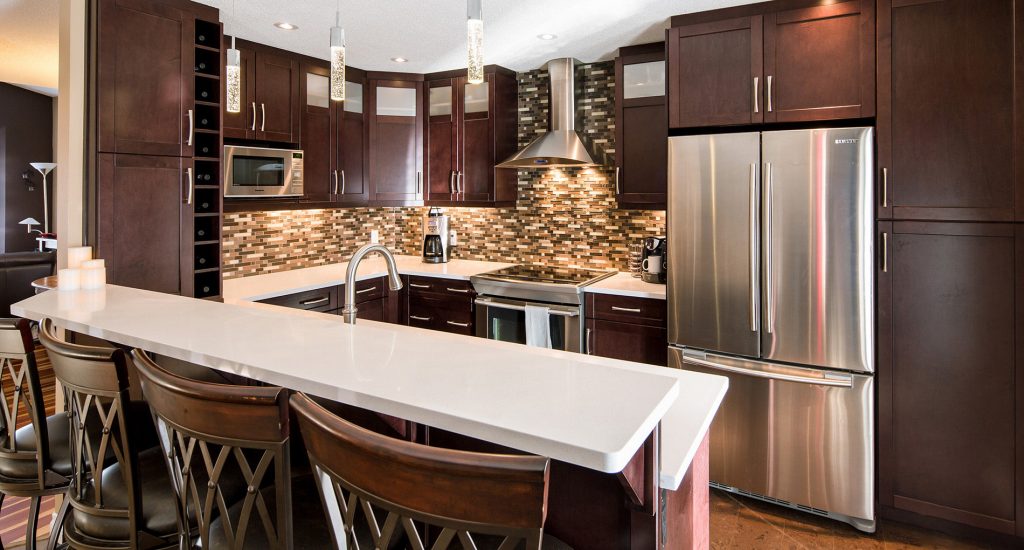


Planning a home renovation can feel overwhelming—especially if it’s your first time. With the right approach, though, you can avoid costly mistakes, reduce stress, and end up with a space you genuinely love. This guide breaks down practical, beginner-friendly tips to help you plan smarter, spend wiser, and renovate with confidence.
Start With Clear Goals
Before picking paint colors or browsing fixtures, get crystal clear on why you’re renovating. Clear goals guide every decision that follows.
Ask yourself:
-
Are you renovating for comfort, functionality, or resale value?
-
Which rooms truly need work, and which can wait?
-
What problems are you trying to solve—lack of space, outdated design, poor layout?
Write down your top priorities and rank them. This helps prevent impulse decisions that blow your budget later.
Set a Realistic Budget Early
A solid budget is the backbone of any successful renovation. Beginners often underestimate costs, so it’s smart to plan conservatively.
Key budgeting tips:
-
Get multiple estimates for labor and materials.
-
Allocate 10–20% extra for unexpected expenses.
-
Separate must-haves from nice-to-haves.
Knowing your financial limits upfront keeps the project grounded and reduces mid-renovation stress.
Understand the Scope of Work
Scope creep—when a project quietly grows bigger—is a common beginner mistake. Define exactly what’s included in your renovation and stick to it.
Be specific about:
-
Structural changes versus cosmetic updates
-
Materials and finishes
-
Start and end dates
A clearly defined scope protects your timeline and your wallet.
Create a Simple Renovation Timeline
Renovations almost always take longer than expected. A flexible but realistic timeline helps you stay organized and patient.
Break the project into phases such as:
-
Planning and design
-
Permits and approvals
-
Demolition
-
Construction and installation
-
Final inspections and finishing touches
Buffer time between phases to handle delays without panic.
Hire the Right Professionals
Even if you plan to DIY parts of the renovation, professional help is often essential for safety and quality.
When hiring:
-
Check licenses, insurance, and reviews
-
Ask for written contracts and timelines
-
Clarify who handles permits and inspections
Good professionals don’t just do the work—they help you avoid expensive mistakes.
Choose Materials With Purpose
Looks matter, but durability matters more. Beginners often choose materials based solely on appearance, then regret it later.
Focus on:
-
Longevity in high-traffic areas
-
Ease of maintenance
-
Energy efficiency where possible
Balancing aesthetics with practicality ensures your renovation holds up over time.
Plan for Daily Life Disruptions
Living through a renovation can be exhausting if you’re not prepared. Dust, noise, and limited access to rooms are all part of the process.
Helpful preparations include:
-
Setting up a temporary kitchen or workspace
-
Protecting furniture and valuables
-
Communicating schedules with everyone in the household
Planning ahead keeps daily life manageable while work is underway.
Document Everything
From contracts to paint colors, documentation saves you from confusion and disputes.
Keep records of:
-
Receipts and invoices
-
Design decisions and material specs
-
Warranties and manuals
Having everything in one place makes follow-ups and future repairs much easier.
Stay Flexible but Informed
Even the best plans need adjustments. Stay open to changes—but make them intentionally, not emotionally.
Before approving changes, ask:
-
How does this affect the budget?
-
Will it delay the timeline?
-
Does it support my original goals?
Smart flexibility leads to better outcomes without derailing the project.
Final Thoughts
Home renovation planning isn’t about perfection—it’s about preparation. With clear goals, a realistic budget, and thoughtful decisions, beginners can navigate renovations confidently and enjoy the transformation process instead of fearing it.
Frequently Asked Questions
1. How do I know if my renovation needs permits?
Most structural, electrical, or plumbing changes require permits. Check with your local building authority before starting work.
2. Should I renovate one room at a time or everything at once?
Beginners often benefit from renovating in phases, which is easier to manage financially and logistically.
3. What renovation adds the most value to a home?
Kitchen and bathroom upgrades typically offer the highest return, especially when done thoughtfully.
4. Is DIY renovation cheaper than hiring professionals?
DIY can save money on labor, but mistakes may cost more long-term. Use professionals for complex or safety-critical tasks.
5. How can I avoid renovation delays?
Order materials early, confirm schedules in writing, and build buffer time into your timeline.
6. What’s the biggest mistake first-time renovators make?
Underestimating costs and time is the most common issue, often caused by poor upfront planning.
7. When should I finalize design decisions?
Finalize major design choices before construction begins to avoid costly changes and delays mid-project.