
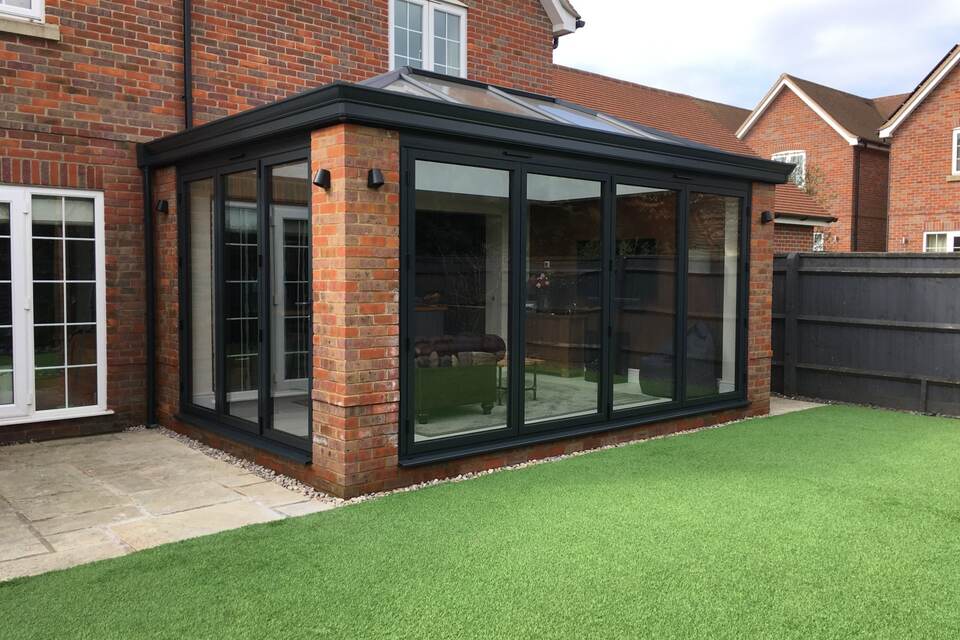
The difference between conservatories and orangeries
While both conservatories and orangeries serve as beautiful extensions to your home, they possess distinct characteristics that set them apart. A conservatory is often defined by its extensive use of glass, providing an unobstructed view of the outside world. It typically features a glass roof and walls that allow an abundance of natural light to flood the space, creating a bright and airy environment. The primary purpose of a conservatory is to act as a sunroom, making it an ideal spot for relaxation, entertainment, or even indoor gardening.
On the other hand, orangeries have a more solid structure, often incorporating brick or masonry alongside large glass panels. Traditionally, they were designed to house citrus trees during the colder months, hence the name “orangery.” Today, orangeries are used as versatile living spaces that blend seamlessly with the main structure of a home. They tend to have a more substantial feel than conservatories, with a flat roof and a lantern light, which adds architectural interest and allows for natural light without overwhelming the room.
In summary, the key distinction lies in their construction and purpose. Conservatories are predominantly glass, focusing on maximising light and views, while orangeries combine brick and glass, offering a more integrated, robust living space. Understanding these differences will help potential homeowners choose the right extension that aligns with their lifestyle and aesthetic preferences.
Advantages of conservatories and orangeries
The advantages of incorporating a conservatory or orangery into your home are manifold, appealing to homeowners seeking additional space while enhancing their property’s value. One of the most significant benefits is the seamless connection they create between indoor and outdoor environments. With expansive windows and glass roofs, these structures allow for uninterrupted views of gardens and landscapes, fostering a sense of tranquillity and connection to nature. This feature not only enhances the aesthetic of your home but also encourages the use of outdoor areas, making them feel like an extension of your living space.
Additionally, both conservatories and orangeries provide an abundance of natural light, which can significantly impact your home’s atmosphere. Natural light has been shown to improve mood and overall well-being, creating a more inviting and pleasant environment. The bright spaces can serve various purposes, such as a sunlit dining area, a serene reading nook, or a vibrant playroom for children. This versatility allows homeowners to tailor these spaces to their specific needs and preferences, thereby maximising the utility of their homes.
Furthermore, investing in a conservatory or orangery can substantially increase your property’s market value. Potential buyers often view these extensions as desirable features, making your home more appealing. The added square footage and aesthetic enhancement can yield a strong return on investment, particularly in competitive housing markets. Thus, the incorporation of these structures not only enriches your living experience but can also prove to be a wise financial decision.
No matter if you’re looking for a new conservatory in Northern Ireland or an orangery in London, there are local Home Improvement specialists can help.
History and evolution of conservatories and orangeries
The origins of conservatories and orangeries can be traced back to the Renaissance period in Europe, particularly in Italy and France. Initially, these structures were built to protect delicate plants, especially citrus trees, from harsh winter conditions. Wealthy aristocrats would construct orangeries in their gardens as a status symbol, showcasing their exotic plant collections and creating a space for leisure and entertainment. Over the centuries, the design and purpose of these spaces evolved significantly, transitioning from purely functional to more aesthetic and versatile living areas.
By the 18th and 19th centuries, the popularity of conservatories surged, particularly in Britain, as advancements in glass production made it more accessible. This period saw the construction of grand, ornate conservatories attached to stately homes and botanical gardens, featuring intricate designs and elaborate frameworks. Embracing the concept of bringing the outdoors in, these glass structures became synonymous with luxury and sophistication, serving as venues for social gatherings, art exhibitions, and botanical displays.
In contemporary times, the design of conservatories and orangeries has continued to evolve, adapting to modern architectural trends and technological advancements. Today’s structures often feature energy-efficient glass, innovative heating solutions, and a variety of styles to complement different home designs. As homeowners increasingly seek ways to enhance their living spaces, these extensions have become an integral part of modern architecture, symbolising a blend of elegance, functionality, and a deep appreciation for nature.
Design Considerations for Conservatories and Orangeries
When embarking on the journey of designing a conservatory or orangery, several crucial considerations must be considered. First and foremost, the intended purpose of the space should guide the design process. Whether you envision a tranquil reading room, a vibrant play area, or an elegant dining space, your goals will influence the layout, size, and features you choose. A well-defined purpose ensures that the space is tailored to your lifestyle, allowing for maximum enjoyment and functionality.
Additionally, the architectural style of your existing home plays a significant role in the design of your conservatory or orangery. It is essential to create a harmonious blend between the new extension and the original structure. This involves considering factors such as materials, colours, and overall aesthetics. For instance, a traditional brick home may benefit from an orangery that incorporates similar brickwork, while a modern property might look stunning with a sleek, glass-dominated conservatory. By aligning the design with your home’s character, you enhance the visual appeal and ensure a cohesive look.
Lastly, practical considerations such as planning regulations, site orientation, and budget should be addressed during the design phase. Understanding local planning requirements is crucial, as they may dictate the size and placement of your new structure. Moreover, the orientation of your conservatory or orangery can affect the amount of natural light it receives throughout the day. A south-facing extension will bask in sunlight, while a north-facing one may require additional lighting solutions. By meticulously planning these elements, you can create a space that not only meets your aesthetic desires but also performs beautifully in terms of functionality and energy efficiency.
Interested in Home Improvements? No matter if you’re looking for a luxury orangery in Northern Ireland or, new windows in Manchester or a new conservatory in London, there are local Home Improvement specialists across the UK can help.
Maximising natural light in conservatories and orangeries
Natural light is one of the most significant advantages of conservatories and orangeries, and maximising this feature is essential for creating a vibrant and inviting space. One effective way to enhance natural light is through the use of large glass panels and roofs. Opting for floor-to-ceiling windows not only offers expansive views of your garden but also allows sunlight to flood the interior, creating an open and airy atmosphere. The inclusion of skylights or lantern roofs can further enhance light levels, bringing illumination from above and reducing the need for artificial lighting during the day.
Another important consideration is the choice of glazing. Advanced glazing technologies, such as low-emissivity (Low-E) glass, can help maximise light transmission while reducing heat loss. This type of glass allows sunlight to enter while reflecting heat back into the room during colder months, ensuring a comfortable environment year-round. Additionally, incorporating solar control glass can help manage glare and overheating on sunny days, maintaining a pleasant temperature without sacrificing light.
Finally, the interior design of your conservatory or orangery can also influence how light is experienced within the space. Using light-coloured furnishings, walls, and decor can help reflect and amplify the natural light that enters. Mirrors strategically placed can create an illusion of greater space while bouncing light around the room. By thoughtfully considering the architectural elements, glazing options, and interior design, you can create a bright, welcoming environment that embraces the beauty of natural light.
Heating and cooling options for conservatories and orangeries
Maintaining a comfortable temperature in conservatories and orangeries is crucial for enjoying these spaces year-round, and there are various heating and cooling options available to achieve this balance. One popular solution is underfloor heating, which provides an even distribution of warmth throughout the room. This heating method is particularly effective in conservatories, as it eliminates the need for bulky radiators, allowing for a more aesthetically pleasing and unobstructed floor space.
In addition to underfloor heating, homeowners can consider installing energy-efficient radiators or wall-mounted heaters. These systems can be easily integrated into the design of the room and offer quick heating when necessary. For those who wish to maintain cool temperatures during the hotter months, installing ceiling fans or portable air conditioning units can provide effective cooling solutions. Ceiling fans not only help circulate air but can also enhance the overall aesthetic of the space, adding a touch of elegance.
Natural ventilation is another essential aspect of temperature control in these extensions. Incorporating opening windows, bi-fold doors, or roof vents allows for the free flow of air, providing a refreshing breeze on warm days. Additionally, strategically placing plants inside the space can help naturally cool the air through the process of transpiration. By combining both heating and cooling solutions, homeowners can create a comfortable environment in their conservatories or orangeries, ensuring these spaces remain inviting throughout the year.
Furniture and decor ideas for conservatories and orangeries
The furnishings and decor you choose for your conservatory or orangery play a vital role in establishing the overall ambiance and functionality of the space. Given the emphasis on natural light and connection to the outdoors, selecting furniture that complements this theme is essential. Lightweight, airy furniture made from materials such as rattan, wicker, or metal can enhance the sense of openness while providing comfortable seating for relaxation and entertainment. Consider incorporating modular furniture that can be rearranged to suit different occasions, allowing for flexibility and adaptability in the space.
In addition to seating, it’s important to consider the functionality of the conservatory or orangery. If you envision it as a dining area, a stylish table that accommodates family and friends is essential. Opt for a table with a glass top to maintain the light and airy feel, or a wooden table that brings warmth and texture to the space. Don’t forget to accessorise with decorative elements such as cushions, throws, and rugs that add colour and comfort while creating a cohesive design aesthetic.
Finally, bringing the outdoors inside is an essential consideration when decorating your conservatory or orangery. Incorporating plants and greenery can enhance the connection to nature and create a serene atmosphere. Choose a variety of plants that thrive in bright, indirect light, such as ferns, orchids, or succulents. Hanging planters, window boxes, or even a vertical garden can add visual interest and life to the space. By carefully selecting furniture and decor, you can create a harmonious and inviting environment that reflects your personal style while celebrating the beauty of your surroundings.
Planning permission and building regulations for conservatories and orangeries
Before embarking on the construction of a conservatory or orangery, it is crucial to understand the planning permission and building regulations that may apply to your project. In many cases, conservatories can be built under permitted development rights, which means you may not need to apply for planning permission if your proposed structure meets specific criteria. Typically, these criteria include size limitations, height restrictions, and the requirement that the conservatory is not used as a separate living space. However, it is always wise to check with your local planning authority to confirm what is applicable to your situation.
If you are considering building an orangery, the regulations can be more stringent due to its more substantial structure. In some cases, planning permission may be required, especially if the building is located in a conservation area or if it significantly alters the appearance of your home. Engaging with local authorities early in the planning process can help clarify requirements and expedite approvals, ensuring a smoother transition from concept to construction.
In addition to planning permission, complying with building regulations is essential for the safety and integrity of your conservatory or orangery. These regulations cover aspects such as structural integrity, insulation, fire safety, and access. Working with an experienced architect or builder can help navigate these regulations, ensuring that your new extension is not only beautiful but also safe and compliant with local standards. By being proactive about planning and regulations, you can enjoy your new space with peace of mind.
Home improvement specialists in Belfast , Manchester, London or across the UK can help you with planning permission and building regulations.
Eco-friendly features for conservatories and orangeries
As sustainability becomes an increasingly important consideration for homeowners, incorporating eco-friendly features into the design of conservatories and orangeries is a fantastic way to reduce your environmental impact. One of the most effective methods is choosing energy-efficient glazing. Low-E glass not only maximises natural light but also minimises heat loss, significantly improving the energy efficiency of your extension. This can lead to reduced heating costs and a more comfortable living environment throughout the year.
In addition to glazing, consider incorporating sustainable building materials. Opting for responsibly sourced timber for frames or flooring can lower your carbon footprint while adding a natural aesthetic to the space. Recycled materials, such as reclaimed bricks or tiles, can also bring character and history into your conservatory or orangery while promoting eco-friendly practices. Selecting materials that are durable, and low maintenance can further contribute to the sustainability of your extension.
Lastly, integrating renewable energy solutions, such as solar panels, can enhance the eco-friendliness of your conservatory or orangery. Solar panels can provide a sustainable energy source to power lighting, heating, and cooling systems, reducing reliance on traditional energy sources. Additionally, incorporating a rainwater harvesting system can help collect and utilise rainwater for irrigation or flushing toilets, promoting water conservation. By thoughtfully integrating these eco-friendly features, you can create a beautiful, functional space that aligns with your commitment to sustainability.
The versatility and charm of conservatories and orangeries
In conclusion, conservatories and orangeries offer a remarkable opportunity to enhance your living space while bringing the beauty of the outdoors inside. Their versatility allows homeowners to create a variety of environments, from tranquil retreats to vibrant gathering spaces, all while maximising natural light and views. Whether you choose a glass-dominated conservatory or a more solidly constructed orangery, both options provide unique benefits that can transform your home and lifestyle.
Ensure you choose the right home improvement specialist, whether you’re looking for home improvements in Antrim , Belfast, Manchester, Birmingham, Lancaster or London. Always ensure you do your research.
The charm of these architectural extensions lies not only in their aesthetic appeal but also in their potential to improve your quality of life. The connection to nature, the influx of sunlight, and the ability to customise the space to suit your needs make conservatories and orangeries a desirable addition for many homeowners. As you consider the possibilities for your home, remember that these spaces can be tailored to reflect your personal style and enhance your overall living experience.
Ultimately, investing in a conservatory or orangery is an investment in your home and your well-being. With thoughtful design, attention to detail, and a focus on sustainability, you can create a stunning space that will be cherished for years to come. Embrace the potential of these extensions, and unlock a world of elegance, functionality, and connection to the beautiful outdoors.