

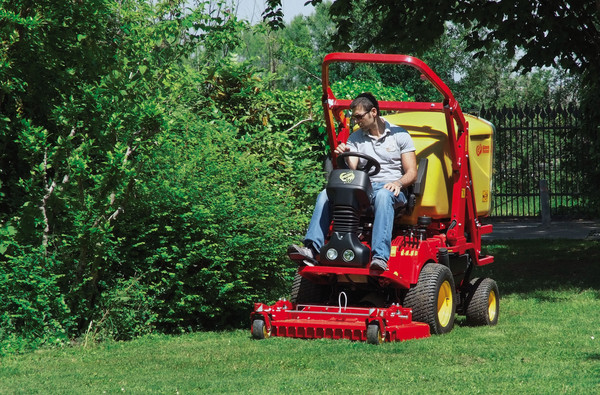
Garden machinery, from lawn mowers to hedge trimmers, is crucial for maintaining your outdoor space. However, to keep these tools operating safely and efficiently, regular maintenance is necessary. Neglecting maintenance can lead to equipment failure, safety risks, and expensive repairs. This article offers essential maintenance tips to ensure your garden machinery remains in top condition.
- Regular Cleaning
Regular cleaning is one of the most basic yet vital maintenance tasks. Dirt, grass clippings, and debris can accumulate on your machinery, leading to clogs, rust, and decreased efficiency. After each use, make sure to clean your tools thoroughly.
Cleaning Tips:
- Brush or cloth: Use a soft brush or cloth to wipe down the exterior and remove dirt and debris. Focus on moving parts where buildup can hinder performance.
- Blades: Clean the blades of lawn mowers and trimmers after each use. Grass and sap can stick to blades, reducing cutting efficiency and causing rust.
- Debris check: Inspect areas around air filters, vents, and cooling fins for debris that could cause overheating.
- Sharpen Blades and Chains
Dull blades and chains increase the risk of injury and make your work harder. Sharp blades provide clean cuts, reducing strain on the machinery and ensuring your garden looks its best.
Sharpening Tips:
- Lawn mowers: Sharpen blades at least once a season or when cutting performance declines. A sharp blade cuts grass cleanly, promoting lawn health.
- Hedge trimmers: Regularly inspect and sharpen hedge trimmer blades to cut through branches smoothly.
- Chainsaws: Regular sharpening of chainsaw chains is essential for safety and efficiency.
If unsure how to sharpen tools, consider professional services.
- Check and Change Oil
For gas-powered machinery, oil lubricates the engine and prevents overheating. Over time, oil can become dirty, leading to engine damage.
Oil Maintenance Tips:
- Check oil levels: Before each use, ensure the oil level is within the recommended range. Running with low oil can cause serious damage.
- Change oil periodically: Follow the manufacturer’s guidelines, typically changing oil at the start of each season or after every 25 hours of use.
- Use correct oil: Always use the oil type specified in the user manual to avoid reducing engine efficiency.
- Inspect and Replace Air Filters
Air filters prevent dirt and debris from entering the engine but can become clogged over time, reducing engine performance.
Air Filter Tips:
- Regular inspection: Check the air filter before each use, especially after working in dusty conditions.
- Clean or replace: If the filter is dirty, clean or replace it according to the manufacturer’s instructions. A clean filter ensures smooth engine operation.
- Proper Storage
Proper storage is essential for extending the life of your garden machinery. Exposure to the elements can cause rust and corrosion.
Storage Tips:
- Clean before storage: Always clean equipment before storing it to remove dirt, grass, or moisture that could cause rust.
- Dry, sheltered storage: Store tools in a dry, covered area like a garage or shed, preferably off the ground to prevent moisture damage.
- Drain fuel for long-term storage: If storing machinery for an extended period, drain the fuel tank to prevent stale fuel from damaging the engine.
Conclusion
Regular maintenance is crucial for keeping your garden machinery safe, efficient, and long-lasting. By cleaning your equipment, sharpening blades, checking oil levels, inspecting air filters, and storing tools properly, you can avoid many common issues and ensure your machinery is ready when needed.
For those looking to invest in durable garden machinery, Garden Machinery Direct offers a wide range of tools designed with longevity and safety in mind. With the right care, your garden machinery will serve you well for years, making gardening tasks easier and more enjoyable.